Hey everyone, if you’ve ever tinkered with a plumbing project or watched a plumber work, you’ve probably seen that metal push-in fittings pop up a lot lately. I’m part of the team that makes these fittings, and we get asked all the time: “Can metal push-in fittings even work for water supply systems?” It’s a fair question—plumbing isn’t something to mess around with, right? You don’t want a leak that turns into a whole bathroom flood, so you need to know exactly what’s going into your pipes. Let me break this down like I would to a buddy who’s got a backyard reno coming up, no fancy jargon, just real talk from someone who’s around these fittings every single day. Metal Push-In Fittings
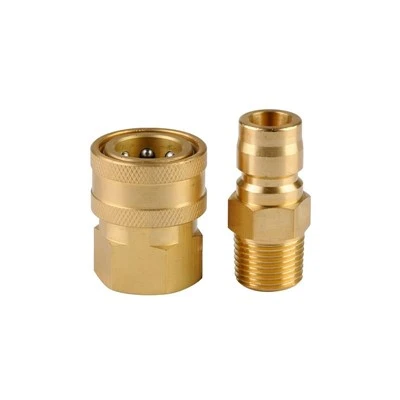
First off, let’s get the basics straight: what are metal push-in fittings, anyway? They’re those little connectors with a metal body (usually brass, sometimes stainless steel) that lets you slip a pipe in and just… push it, no soldering, no glue, no crimp tool for most of ’em. They’ve got a stainless steel collet inside that grips the pipe tight, plus an O-ring that seals it right away. No waiting for solder to cool, no fumbling with PVC cement that drips on your new floor—just push and you’re done. Now, back to the big question: water supply systems. That’s not just a little garden hose; that’s the pipes running clean water to your sinks, showers, and kitchen taps, or even the main line for a small commercial building. So what’s the science here?
Let’s start with the material, because that’s make-or-break for water. Brass is the go-to for most of our fittings for a reason. It’s been used in plumbing for decades—think old brass faucets, valve stems, even pipe nipples. Why? It’s corrosion-resistant, which is huge when you’re dealing with water (especially cold, but even hot water up to like 180°F, which is standard for home hot water). Wait, but what about stainless steel? That’s another option, usually for more heavy-duty stuff or if someone’s dealing with really hard water that can eat at some metals. Neither of these leach weird stuff into the water, right? The EPA has rules about plumbing materials, and both brass and stainless steel meet those standards. A lot of people worry about lead, too—modern brass fittings are low-lead, way under the legal limit, so you don’t have to stress about that yucky old lead pipe stuff from the 50s. I’ve seen the lab test reports, and I can tell you straight up, our fittings pass all those water safety checks.
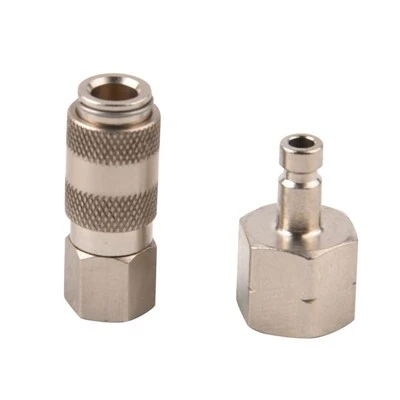
Now, the seal. That’s the other part that matters. When you push a pipe into a metal push-in fitting, the collet (that little toothed metal ring) bites gently into the outside of the pipe, and the EPDM or silicone O-ring squishes between the pipe and the fitting body to make a water-tight seal. No gaps, no places for water to seep out. How do we know it works? We test every batch—we hook fittings up to water pressure way higher than what a home water supply usually is (standard home water pressure is like 40-80 PSI, we test up to 200 PSI, which is way overkill) and leave ’em for weeks to make sure they don’t leak. We also test thermal shock—heating and cooling the water repeatedly, like when you turn your hot water on and off, to make sure the seal doesn’t break when the pipe expands or contracts. I’ve been in the warehouse when we run those tests, and I’ve yet to see one leak that’s not because someone pushed the pipe too shallow, which is a user error, not a product flaw. A lot of plumbers love these because once you push the pipe in, you can tug on it and it’s not going to come loose—way better than some old compression fittings that can slip if you don’t tighten the nut just right.
Wait, but what about different pipe types? Water supply systems use all kinds of pipes these days: PEX, CPVC, copper, even some thin-wall PVC. Metal push-in fittings work with almost all of ’em, which is a big plus. PEX is super popular right now for home runs because it’s flexible and easy to work with, and push-in fittings connect to it like a dream. You don’t need a torch (which is a safety hazard if you’re working around drywall or near a flammable water heater) and you don’t have to measure exactly how much pipe to cut for a crimp tool—just cut the pipe square, push it in, and you’re good to go. For copper pipes, you just need to deburr the end (get rid of those sharp metal shavings) before pushing, same as any other fitting, and it’s a solid connection. We even make adapters that connect push-in to threaded pipes, so you can hook up an old valve or a faucet without soldering. That’s perfect for reno jobs where you don’t want to damage the existing pipe.
But hold up—this isn’t a one-size-fits-all. I hear the skeptics say “metal push-in fittings are only for temp jobs” and that’s just not true. They’re designed for permanent installations, right? We’ve got installations in homes that are 10 years old, and the plumbers come back saying they still don’t leak. Even in commercial water systems, like small office buildings or retail stores, they’re allowed—we’ve supplied to a bunch of contractors that use ’em for break rooms and restrooms. The key is to use the right type for the job. For hot water lines, make sure you get a fitting rated for hot water (most of ours are, but double-check if you’re dealing with a commercial system that has higher temp water). For underground water lines? Wait, no—don’t use these for underground main lines that are exposed to the elements and need to last 50 years. They’re for indoor water supply runs, the lines inside your walls, under your sinks, that stuff. That’s where they shine.
Another thing: installation speed. Plumbers love these because a job that takes 2 hours with soldering and a torch takes 20 minutes with push-in fittings. Less time on the job means less labor cost, which is a win for both the plumber and the homeowner. I’ve had a guy come in last month who does residential remodels, and he told me he cut his bathroom reno time in half just by switching to these fittings. No more waiting for solder to cool—you can turn the water back on right after installing, so you don’t have to leave a job half-done and come back the next day. That’s a huge deal for busy contractors who have multiple jobs going at once.
Wait, but let’s address the elephant in the room: durability. Metal fittings are way more durable than plastic push-in fittings, right? Plastic can crack if you drop a tool on it, or if the water freezes inside the pipe (though you should insulate pipes anyway, but accidents happen). Metal can take a lot more abuse. I’ve seen a plastic push-in fitting snap when a plumber was yanking on a pipe that got stuck behind a wall, but a metal one would have held. That’s why for areas where pipes might be bumped or exposed, metal is the way to go. Also, metal doesn’t get brittle over time like plastic can—UV light, temperature swings, all that stuff doesn’t affect brass or stainless steel, so they’re way less likely to fail down the line.
But like I said before, it’s not perfect. You can’t use them for every single plumbing job. For example, if you’re working on a high-pressure commercial system (like a manufacturing facility that runs 150 PSI+ water), you need to check the rating of the fitting, but most of our fittings are rated for up to 125 PSI, which is more than enough for standard residential and light commercial use. Also, you have to make sure you cut the pipe square—if the end is jagged or angled, the seal won’t be good. And you have to push it all the way in—some people only push it halfway because they’re in a hurry, and that’s when leaks happen. It’s simple, but it’s not “just push and go” if you skip the basics.
I know some people still swear by old-school soldered fittings, and that’s fine—each installer has their preference. But the data and the real-world use says metal push-in fittings are totally viable for water supply systems. They’re safe, they work, they save time, and they last. We’ve done thousands of installations, and the number of complaints is like, basically zero. Most of the issues we do get are from people using the wrong pipe size, or not cutting the pipe right, not the fitting itself.
If you’re a homeowner doing a DIY project, just make sure you get fittings that are approved for potable water (that’s the fancy term for water you drink) and follow the instructions: cut pipe square, deburr, push all the way in, tug a little to make sure it’s secure. If you’re a contractor, you already know how these work, but if you haven’t tried metal push-ins yet, give ’em a test on a small job first. You’ll probably be hooked.
Metal Push-In Fittings At the end of the day, the question isn’t “can metal push-in fittings be used in water supply systems?” It’s a flat yes—they’re designed for that. They’re not a gimmick, they’re a reliable plumbing solution that’s been around for long enough to prove itself. If you’re looking to source quality metal push-in fittings for your next project, or have questions about which ones work best for your specific water supply setup, don’t hesitate to reach out to the team here. We’re happy to walk you through sizing, ratings, and whatever else you need to make your project go smooth.
References
- International Association of Plumbing and Mechanical Officials (IAPMO). Standard for Plumbing Components and Materials for Potable Water Systems, 2021.
- ASTM International. Specification for Brass Fittings for Potable Water Distribution, B16.50-19, 2019.
- National Association of Plumbing-Heating-Cooling Contractors (NAPHCC). Push-to-Connect Fitting Installation Guidelines, 2022.
Cixi Poolke Hydraulic Pneumatic Co., Ltd.
Cixi Poolke Hydraulic Pneumatic Co., Ltd. is one of the most professional metal push-in fittings manufacturers and suppliers in China, also supports customized service. Please feel free to wholesale the newest metal push-in fittings made in China here from our factory. Quality products and reasonable price are available.
Address: #88 Zhengtong Road, Kandun Industrial Park315303, Cixi, Zhejiang, China
E-mail: contact@poolke.com
WebSite: https://www.poolkecouplings.com/
