When it comes to the installation of PERT (Polyethylene of Raised Temperature resistance) pipes, jointing is a critical process that directly impacts the performance and longevity of the piping system. As a PERT pipe supplier, I’ve witnessed firsthand the importance of adhering to strict standards during the jointing process. In this blog, I’ll delve into the key standards for jointing PERT pipes, sharing insights based on my experience in the industry. PERT Pipe
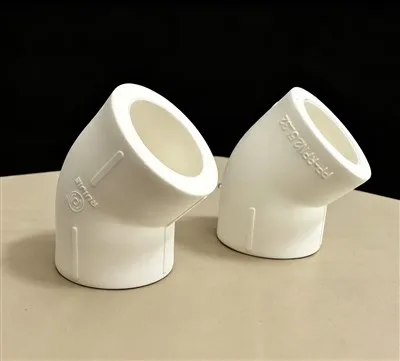
1. Pipe Preparation
Before jointing, proper pipe preparation is essential. The ends of the PERT pipes must be clean, dry, and free from any dirt, grease, or debris. This can be achieved by using a clean cloth or a pipe cleaner to wipe the pipe ends thoroughly. Any rough edges or burrs should also be removed using a deburring tool to ensure a smooth surface for a secure joint.
The pipe ends should be cut square to the axis of the pipe. A sharp pipe cutter is recommended for this task, as it provides a clean and precise cut. If the cut is not square, it can lead to an uneven joint, which may result in leaks or weak connections.
2. Welding Temperature and Time
One of the most common methods of jointing PERT pipes is through heat fusion welding. This process involves heating the pipe ends and the fitting to a specific temperature and then joining them together. The welding temperature and time are crucial factors that determine the quality of the joint.
The recommended welding temperature for PERT pipes typically ranges from 260°C to 270°C. It’s important to use a high – quality welding machine that can accurately control the temperature. If the temperature is too low, the pipes may not fuse properly, resulting in a weak joint. On the other hand, if the temperature is too high, it can cause the pipe material to degrade, reducing its strength and durability.
The welding time also depends on the diameter of the pipe. Generally, for smaller diameter pipes (up to 63mm), the welding time may be around 5 – 10 seconds, while for larger diameter pipes, it can be up to 30 seconds or more. It’s essential to follow the manufacturer’s guidelines for the specific pipe size and type to ensure a proper joint.
3. Pressure Application
During the jointing process, applying the right amount of pressure is crucial. After heating the pipe ends and the fitting, they should be joined together quickly and firmly. A slight pressure should be applied to ensure that the melted materials blend together evenly.
However, excessive pressure should be avoided, as it can cause the pipe to deform or the material to be squeezed out, leading to an uneven joint. The pressure should be maintained for a specific period, usually until the joint has cooled and solidified. This allows the joint to achieve its maximum strength.
4. Alignment
Proper alignment of the pipes and fittings is vital for a successful joint. The pipes should be aligned in a straight line to ensure that the joint is uniform and free from stress. Misalignment can lead to weak spots in the joint, increasing the risk of leaks.
When joining pipes, it’s recommended to use alignment tools such as clamps or guides to ensure accurate alignment. These tools can help keep the pipes in place during the jointing process, especially for larger diameter pipes or in complex piping systems.
5. Quality Inspection
After jointing, a thorough quality inspection should be carried out. This includes visual inspection for any signs of uneven joints, cracks, or gaps. The joint should have a smooth and uniform appearance, without any visible defects.
In addition to visual inspection, pressure testing can also be conducted to ensure the integrity of the joint. The pipes should be filled with water and pressurized to a specific level for a certain period. Any drops in pressure may indicate a leak in the joint, which needs to be repaired immediately.
6. Environmental Conditions
The environmental conditions during the jointing process can also affect the quality of the joint. It’s best to carry out jointing in a clean and dry environment, away from dust, moisture, and extreme temperatures.
High humidity can cause the pipe surface to become damp, which may affect the welding process. Similarly, extreme cold or hot temperatures can impact the melting and solidification of the pipe material. If jointing needs to be done in adverse environmental conditions, appropriate measures should be taken to ensure the quality of the joint.
7. Training and Certification
The personnel involved in the jointing process should be properly trained and certified. They should have a good understanding of the jointing standards and procedures for PERT pipes. Training programs can cover topics such as pipe preparation, welding techniques, pressure application, and quality inspection.
Certification ensures that the workers have the necessary skills and knowledge to carry out the jointing process correctly. It also provides assurance to the customers that the jointing work is being done to a high standard.
Why Choose Our PERT Pipes?
As a PERT pipe supplier, we are committed to providing high – quality pipes that meet the strictest industry standards. Our PERT pipes are made from premium materials, ensuring excellent resistance to high temperatures, pressure, and chemical corrosion.
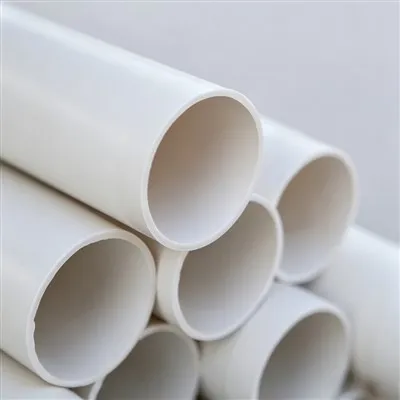
We also offer comprehensive technical support to our customers. Our team of experts can provide guidance on the jointing process, including the selection of the right welding equipment, the determination of the appropriate welding temperature and time, and the quality inspection procedures.
PVC Pipe If you are looking for reliable PERT pipes for your next project, we invite you to contact us for a detailed discussion. We can provide you with samples, product specifications, and pricing information. Our goal is to help you achieve a successful and long – lasting piping system.
References
- "PERT Pipe Installation Manual", Industry Standard Publication
- "Best Practices for Piping Jointing", Professional Piping Association
Hebei Ruijie Pipe Industry Co., Ltd.
Hebei Ruijie Pipe Industry Co., Ltd. is one of the most experienced PERT pipe manufacturers and suppliers in China. With a professional production team, we are able to meet the needs of the majority of our customers. Welcome to wholesale high quality PERT pipe in stock here from our factory. Contact us for pricelist and free sample.
Address: Industrial Park, Shaozhuang Township, Suning County, Cangzhou City, Hebei Province
E-mail: 1987870474@qq.com
WebSite: https://www.rjpprpipe.com/
