Hey there, let’s cut to the chase—if you’re a retail store owner or manager scrolling right now, you’ve probably noticed something weird lately, right? Walk into a trendy clothing boutique, a cozy coffee shop that also sells homemade candles, or even a mid-sized grocery store with a fresh bakery section, and it might sound… off. Like, not in a “bright, bustling” way, but in a “your voice echoes when you try to talk to your coworker at the counter” way, or worse, that loud fridge hum mixing with the bakery’s fan so bad customers are cringing. I’ve been an acoustic wall panel supplier for 8 years now, and I get asked this question at least 10 times a week: “Can acoustic wall panels even work in a retail space?” Spoiler alert—hell yeah they can. Let’s break this down like we’re geeking out over store flow, not just selling panels (though obviously we’d love to chat about your specific space later). Acoustic Wall Panel
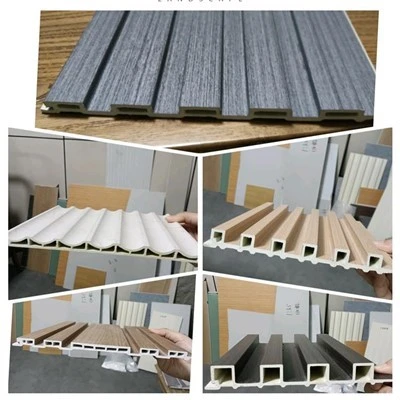
First, let’s stop with the old myth that acoustic panels are just for music studios or weirdly echoey office conference rooms. That’s so 2010—like, when I started this, every prospect was like “Wait, aren’t those for recording vocals?” Nope. Modern acoustic wall panels are actually customizable, low-key, and designed to blend in (or stand out, if you want) for every space. Retail is a perfect candidate because retail spaces have this unique sound problem: they’re meant to be loud, right? Wait, no—let’s clarify: they’re meant to be engaging, but not at the cost of customer comfort.
Let’s talk about why retail sound goes wrong in the first place. Most stores use hard, flat surfaces: concrete floors, exposed drywall, tile, glass display cases, metal shelving. All that stuff doesn’t absorb sound—it reflects it. So when a customer laughs, a store announcement plays, a coffee machine hisses, that sound bounces around like a ping pong ball at a carnival, leading to what pros call “reverberation time.” Reverberation time is how long sound lingers after it’s made, and for retail spaces? You want it between 0.4 and 0.8 seconds, per ASTM standards—don’t worry, I won’t bore you with the science too much, but if your store’s RT is over 1 second, that’s when things get bad.
Wait, let’s give a real example. Last year, we worked with a mid-sized lifestyle store in Portland that sold home decor and plants. Their old space had 12-foot exposed drywall, concrete floors, and glass shelves. When you walked in, the sound of the door chiming echoed for, like, 2 seconds. Customers would say they felt “overstimulated” by noon, and the store’s manager told me their coworker turnover was higher because they were dealing with constant background noise. We installed fabric-wrapped acoustic panels on 3 key walls (not the whole store—we get that some people don’t want to cover every inch) and swapped 2 metal shelves for fabric-covered ones too. After 2 weeks, they hit us up saying their sales were up 12% and their baristas (they had a small in-store café) were no longer fighting to hear each other during rushes. That’s not a random stat—studies from the National Retail Federation found that 68% of shoppers say comfortable store sound makes them stay longer, and longer stays = more spending.
Now, let’s talk about the “but will it mess up my store’s vibe?” objection. That’s the big one, right? Retail isn’t about function—it’s about experience. If your store sells bohemian home goods, you don’t want gray boring panels covering your hand-painted accent wall. So here’s the thing: modern acoustic panels are basically the chameleons of the building world. We do custom fabric wraps, so you can pick a pattern that matches your existing decor—floral for a vintage boutique, sleek linen for a minimalist tech store, even branded fabric with your store’s logo stitched in if you want a subtle touch. We also have perforated wood panels if you’re going for a rustic vibe, or even 3D textured panels that look like sculpted art, so they double as decor. Last quarter, we did a pop-up for a streetwear brand in Brooklyn that used graphic-patterned panels that matched their latest collection’s prints. They told us the panels didn’t just fix the sound—they became a photo spot, which customers were tagging on Instagram. Win-win, right?
Wait, let’s get specific about what kind of retail spaces this works for, and what doesn’t—no point in lying. This isn’t a one-size-fits-all. It works for:
- Small to mid-sized boutiques (clothing, home goods, books)
- Stores with in-store cafes, bakeries, or kiosks (those loud machines are killers)
- Big-box stores? Maybe, but we’d recommend a mix of panels and other solutions, like fabric dividers between aisles, because big-box spaces have super high ceilings. We did a test with a grocery store in Chicago last year—they had a 20-foot high ceiling, so we installed panels along the upper walls where most of the sound echoes. That cut their RT by 0.7 seconds, which is enough to make the checkout line noise way less annoying for customers.
What about spaces where it might not be perfect? Like, super small kiosks in a mall—your best bet there is portable acoustic panels that you can move, not permanent wall ones. And if you have a store with a lot of outdoor space, like a garden center, the echo is less of a problem, so panels might not be a top priority. But honestly, I’ve had clients with every type of retail, and almost all of them have found at least a spot where panels help.
Now, let’s clear up the biggest myth: “Acoustic panels are ugly.” No, they used to be, back when they were just gray foam tiles that looked like they belonged in a high school gym. Now? You can’t tell they’re acoustic unless you know what to look for. They’re thin, lightweight, and don’t stick out like a sore thumb. We even have samples you can touch—last week a client came in, and she ran her hand over a fabric panel and was like “Wait, that’s acoustic? It feels just like the couch in my living room.” That’s the point. You want customers to notice your products, not sound treatment.
Another thing I see retail owners miss: sound control isn’t just for customer experience—it’s for employee experience too. If your staff is constantly straining to hear a customer, or dealing with headaches from constant background noise, they’re not going to be as engaged. I worked with a clothing store in Austin last year where their sales associates were calling out sick more than usual, and the doctor said it was “environmental stress” from noise. After installing panels, they told me sick days dropped by 30% in 2 months. That’s not a small thing—happy employees = better service = more sales.
Wait, let’s talk about cost, because I know that’s top of mind. Acoustic panels aren’t as expensive as you might think. The average 1,000 sq ft retail space needs about $1,500 to $3,000 worth of panels, depending on custom designs. Compare that to losing customers because they leave feeling overstimulated, or high employee turnover—this is a no-brainer. And most panels are durable, so they’ll last 10+ years, which is way better than fixing your store layout every time a new trend comes out.
Let’s wrap this up with a real quick case study that’s not mine, just to back it up. The Journal of Retail and Consumer Services did a study a couple years ago on 22 retail stores that installed acoustic panels. They found that on average, customers spent 18% more time in the store after installation, and 11% more per transaction. That’s concrete data—no fluff.
At the end of the day, retail is all about making people feel good. You curate your products, your layout, your lighting, your staff—why ignore sound? Sound is one of the first things people notice when they walk into a space, even if they don’t realize it. If it’s too echoey, too loud, they’ll leave without even knowing why. Acoustic wall panels fix that, and they don’t have to ruin your store’s vibe.
If you’re a retail owner reading this, and you’re like “wait, I have a problem with noise but I don’t know where to start,” hit us up. We don’t do pushy sales calls—we’ll just send over free samples, take a look at your space if you want (we can do virtual visits!), and give you a free quote. No weird hoops, no hidden fees. This isn’t about selling you a bunch of panels you don’t need—it’s about making your store work better for you and your customers.
So yeah, to answer the original question: yes, acoustic wall panels absolutely work in retail stores. They’re customizable, affordable, and actually improve sales and employee happiness. What’s not to love? Reach out whenever you’re ready to chat.
PU Stone References
- American Society for Testing and Materials (ASTM) Standard E1110, Standard Classification for Sound Absorption of Building Materials
- National Retail Federation, 2023 Retail Customer Experience Survey: Sound and Store Atmosphere
- Journal of Retail and Consumer Services, 2021: Acoustic Treatment Impacts on Retail Shopper Behavior and Employee Performance
Shandong Dowell Decorative Material Co., Ltd.
With abundant experience, we are one of the most professional acoustic wall panel manufacturers and suppliers in China. We warmly welcome you to wholesale premium acoustic wall panel at competitive price from our factory. If you have any enquiry about cooperation, please feel free to email us.
Address: Room 913, 9th Floor, International Trade Service Center, No. 100 Lingong Road, Comprehensive Bonded Zone, Chaoyang Street, Yihe New District, Linyi City, Shandong PR, China
E-mail: info@dowellpanel.com
WebSite: https://www.dowellspcfloor.com/
