If you’ve ever walked into an industrial plant and noticed condensation dripping from a pneumatic tool, a packaging line, or a delicate electronics assembly machine, you’ve seen the problem a desiccant air dryer solves first-hand. I’ve been supplying these systems for over a decade, and 9 out of 10 times when I get a call from a plant manager, they’re complaining about ruined parts, stalled production, or sky-high maintenance bills because their compressed air has too much moisture. Let me break down exactly how these dryers work, why they’re non-negotiable for so many industries, and what makes the right one matter for your bottom line. Desiccant Air Dryer

First, let’s start with the basics: compressed air, even when it feels dry to the touch, holds massive amounts of water vapor. When air is compressed, its volume shrinks, so the water vapor it was holding gets “squeezed” into liquid form. That’s why a standard air compressor will spit out a puddle of water in its aftercooler or receiver tank in just a few hours. For light uses like inflating tires, that’s fine, but for industrial applications, that moisture is a ticking time bomb. It can corrode pipelines, freeze in outdoor lines in winter (causing costly blockages), or mix with lubricants to form sludge that ruins tools and machinery. Even in food and beverage or pharmaceutical plants, moisture can contaminate products, leading to recalls that cost millions.
A desiccant air dryer solves this by removing almost all of that water vapor, not just the liquid. Unlike refrigerated dryers, which cool air to condense moisture (only removing about 60-70% of total water), desiccant dryers target vapor molecules directly. Here’s the step-by-step process, the same one I’ve explained to every customer at our shop:
The first stage is the pre-filtration and inlet preparation. Raw compressed air coming straight from the compressor is full of not just water, but also oil droplets, dust, and pipe scale. If that gets straight to the desiccant, it would coat the tiny pores of the desiccant beads and render them useless in days, not months. So before the air even hits the dryer, it passes through a series of coalescing filters that capture 99.99% of particles as small as 0.01 microns, plus any liquid oil or water. That’s a critical first step most people miss—cut corners here, and your desiccant will need replacing every quarter instead of every two to three years.
Next, the air enters the desiccant chamber. Desiccant is just a porous material designed to attract and hold water molecules. The most common types are activated alumina, molecular sieve, and silica gel—each suited to different humidity and pressure levels. Activated alumina is the workhorse for most general industrial applications; it’s durable, can handle high temperatures, and works well in dryers that operate at pressure levels between 100 and 150 PSI, which is standard for most plants. Molecular sieve, on the other hand, has smaller pores, so it can pull moisture out even when the incoming air has very low humidity, making it ideal for extreme applications like pharmaceutical packaging or food processing where extremely dry air is required. Silica gel is a bit cheaper, but less durable, so it’s best for lighter, less demanding uses.
Here’s where the magic happens: as the compressed air flows through the desiccant bed, water molecules stick to the surface of the desiccant’s porous beads via a process called adsorption (important to note: that’s different from absorption—adsorption is when molecules stick to a surface, absorption is when they get soaked into a material, like a sponge). The desiccant’s tiny pores attract the polar water molecules, trapping them inside, while the dry air molecules pass through the chamber and out the other side. The end product here is what we call “instrument air”—air that’s 99.9% dry, with a pressure dew point (that’s the temperature at which water would start to condense) of -40°F, and sometimes as low as -100°F for high-purity applications. That’s dry enough to prevent any condensation, even in the coldest outdoor pipes or for the most sensitive electronics.
Wait a second—if the desiccant is trapping water, it can only hold so much, right? That’s why desiccant dryers aren’t single-chamber systems. Most industrial models are twin-tower designs, with two separate desiccant beds. While one tower is in “service” (removing moisture from the incoming air), the other is in “regeneration” mode—getting rid of the water it trapped so it can be reused. That’s why these dryers run continuously, no downtime needed.
Regeneration is the part that varies between dryer types, and it’s where we tailor solutions to our customers’ energy needs. Let’s walk through the three most common regeneration methods:
First, heated regeneration (also called “hot air” regeneration). This is the most common design for high-demand industrial use. A small portion of the dry air that’s already passed through the service tower is redirected to the regeneration tower, then heated to around 300-350°F using an electric or gas heater. That hot dry air flows through the desiccant bed, boiling off the trapped water molecules, which are then vented to the atmosphere. This method is very effective—you can get a consistent low dew point, and the desiccant is thoroughly regenerated so it lasts for years. The tradeoff is that heating that air uses energy, which is why we size heaters to match the dryer’s flow rate, to avoid wasting power.
Second, blower purge regeneration. This is a more energy-efficient option for plants that don’t need extreme dew points. Instead of heating the dry air, a small blower pulls ambient air (which is slightly dry) through the regeneration tower, carrying away moisture without heating. It uses about 70% less energy than heated regeneration, but the dew point is a bit higher (around -20°F instead of -40°F). That’s perfect for applications like general pneumatic tool use or low-grade packaging, where you don’t need super dry air.
Third, pressure swing desiccant air dryers (PSAD). These are the most energy-efficient type, and they’re popular for smaller operations or plants that want to cut energy costs. PSAD works by dropping the pressure in the regeneration tower instead of heating it. When you lower the pressure, water molecules evaporate from the desiccant much faster, so you don’t need to heat the air or use a blower. The downside is that PSAD dryers work best at consistent pressure levels, so they’re less ideal for plants with fluctuating compressor load, and the dew point is usually around -40°F, which is still enough for most heavy industrial use.
A lot of customers ask me, “Why can’t I just use a refrigerated dryer? They’re cheaper upfront.” Let me be clear: refrigerated dryers are great for basic uses, but they hit a ceiling. At temperatures below 33°F, refrigerated dryers start to struggle with moisture, and below freezing, the moisture in the air can freeze and block the dryer itself. That means in cold climates, they’re useless for outdoor lines, and even indoors, they can’t get the air dry enough for applications like spray painting, where moisture causes rough, bubbly finishes, or food processing, where moisture can spoil products mid-production. Desiccant dryers are the only way to get that consistent, ultra-dry air across all operating conditions.
Now, let’s talk about what to look for when you’re choosing a desiccant air dryer, because not all dryers are created equal. First, match the dryer’s flow rate to your compressor’s output. If you buy a dryer that’s too small, it’ll get overloaded, and you’ll end up with moist air. Too big, and you’re wasting money on extra energy for regeneration. Second, think about your dew point requirement. If you’re running a precision machining line or pharmaceutical packaging, you need a -40°F or lower dew point, so go with a heated twin-tower dryer. If you’re running a warehouse with pneumatic tools, a blower purge or PSAD dryer will save you money. Third, look at desiccant quality—cheap desiccant beads will crumble over time, leading to dust in your air lines, which can damage tools. All the desiccants we use are food-grade and meet industry standards, so you don’t have to worry about contamination in food or medical applications.
I also can’t stress maintenance enough. A dryer is only as good as its upkeep. Every year, you should replace the pre-filters (they’re cheap, usually $50-$100 per filter), check the desiccant bed for contamination, and test the dew point regularly to make sure the dryer is working as it should. I’ve had customers who bought a cheap dryer online, skipped maintenance, and within two years, the desiccant was so coated with oil and dust that they had to replace the entire bed for $2,000—way more than they saved on the initial dryer.
At the end of the day, a desiccant air dryer isn’t just a piece of equipment—it’s an investment in keeping your production running smoothly, avoiding costly downtime, and protecting your products and tools. If you’re dealing with moisture issues, or you’re looking to upgrade your current system to save energy, I’d be happy to walk through your specific needs, size the right dryer for your operation, and answer any questions you have about how they work or what type is best for you.
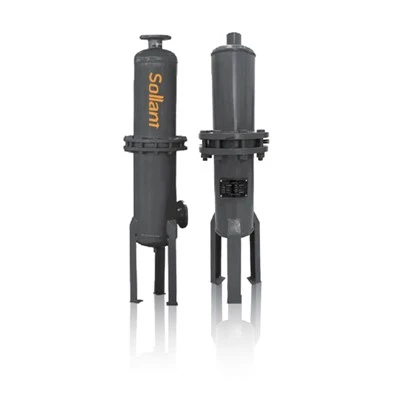
If you’re ready to find a solution that fits your plant’s needs, don’t hesitate to reach out to discuss your requirements.
Oxygen Generator References
- Compressed Air and Gas Handbook, Compressed Air and Gas Institute
- “Desiccant Air Dryers: Selection, Operation, and Maintenance”, Pneumatic Systems Magazine
- Industrial Air Treatment Guidelines, International Organization for Standardization (ISO 8573)
- Adsorption Fundamentals for Industrial Drying Processes, American Society of Mechanical Engineers (ASME)
Shanghai Sollant Energy Saving Technology Co., Ltd.
As one of the most professional desiccant air dryer manufacturers and suppliers in China, we’re featured by quality products and good service. We warmly welcome you to buy bulk advanced desiccant air dryer from our factory. If you have any enquiry about cooperation, please feel free to email us.
Address: No.215, Songri Center, Beihongqiao, Jiading District, Shanghai, China
E-mail: info4@sollant.com
WebSite: https://www.sollanttreatment.com/
