Solubility of organic acids in different solvents is a crucial aspect that significantly impacts various industries, from pharmaceuticals to food and beverage. As an organic acid supplier, I’ve witnessed firsthand how understanding this solubility can be a game – changer in product development, manufacturing processes, and overall quality control. Organic Acid
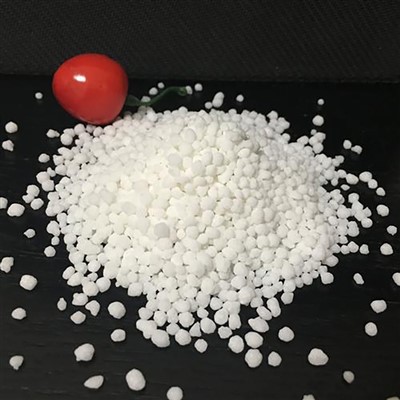
Understanding Organic Acids
Organic acids are compounds containing a carboxyl group (-COOH). They range from simple ones like formic acid (HCOOH) and acetic acid (CH₃COOH) to more complex ones such as citric acid and tartaric acid. These acids play diverse roles in nature and industry. For example, acetic acid is a key component of vinegar, while citric acid is widely used as a flavoring and preservative in the food industry.
Solubility in Water
Water is one of the most common solvents used in many industries. The solubility of organic acids in water is mainly determined by the strength of their interaction with water molecules through hydrogen bonding. Smaller organic acids, like formic acid and acetic acid, are miscible with water in all proportions. This is because the carboxyl group in these acids can form strong hydrogen bonds with water molecules.
As the carbon chain length of the organic acid increases, its solubility in water decreases. For instance, butyric acid (CH₃CH₂CH₂COOH), with a four – carbon chain, is less soluble in water compared to acetic acid. The non – polar hydrocarbon part of the acid chain disrupts the hydrogen – bonding network of water, making it more difficult for the acid to dissolve.
In the pharmaceutical industry, the solubility of organic acids in water is of utmost importance. Many drugs are formulated as organic acid salts to improve their solubility in water, which in turn enhances their bioavailability. For example, aspirin (acetylsalicylic acid) can form salts with various bases, and these salts are more soluble in water, allowing for better absorption in the human body.
Solubility in Alcohols
Alcohols, such as ethanol and methanol, are another class of solvents widely used in the chemical and pharmaceutical industries. Organic acids generally have good solubility in alcohols. The hydroxyl group (-OH) in alcohols can form hydrogen bonds with the carboxyl group of organic acids, facilitating dissolution.
Ethanol, a commonly used solvent, can dissolve a wide range of organic acids. For example, benzoic acid, which has limited solubility in water, is quite soluble in ethanol. This property is exploited in the production of perfumes and flavorings, where ethanol is often used as a solvent to dissolve organic acid – based aromatic compounds.
Methanol is also a good solvent for organic acids, but its toxicity restricts its use in applications where human contact is likely. However, in laboratory and industrial settings where proper safety measures can be implemented, methanol can be an effective solvent for the extraction and purification of organic acids.
Solubility in Hydrocarbons
Hydrocarbons, such as hexane and toluene, are non – polar solvents. In general, the solubility of organic acids in hydrocarbons is limited because the non – polar nature of hydrocarbons does not allow for strong interactions with the polar carboxyl group of organic acids.
However, some long – chain organic acids with a significant non – polar hydrocarbon portion can have appreciable solubility in hydrocarbons. For example, stearic acid (C₁₇H₃₅COOH), a long – chain fatty acid, is relatively soluble in hexane. This property is used in the extraction of fatty acids from natural sources, such as vegetable oils. The fatty acids can be dissolved in hexane, and then the solution can be separated from other components of the oil.
Solubility in Ethers
Ethers, like diethyl ether, are moderately polar solvents. Organic acids can have varying degrees of solubility in ethers. The oxygen atom in the ether group can form weak hydrogen bonds with the carboxyl group of organic acids, but the solubility is usually lower compared to water and alcohols.
Diethyl ether is often used in extraction processes. For example, in the isolation of organic acids from biological samples, diethyl ether can be used to extract the acids from an aqueous phase. The organic acids partition between the aqueous and ether phases based on their relative solubilities in the two solvents.
Factors Affecting Solubility
Apart from the nature of the solvent, several other factors can affect the solubility of organic acids. Temperature is a significant factor. In general, the solubility of organic acids in most solvents increases with increasing temperature. This is because higher temperatures provide more energy for the solvent molecules to break the intermolecular forces holding the acid molecules together.
The presence of other solutes can also influence solubility. For example, the addition of salts can either increase or decrease the solubility of organic acids through a phenomenon called salting – in or salting – out. In salting – in, the presence of certain salts can increase the solubility of organic acids by enhancing the interaction between the acid and the solvent. In contrast, salting – out occurs when the addition of salts reduces the solubility of organic acids, causing them to precipitate out of the solution.
Importance for Our Business as an Organic Acid Supplier
As an organic acid supplier, understanding the solubility of organic acids in different solvents is essential for several reasons. Firstly, it helps us in product selection. We can recommend the most suitable organic acids to our customers based on their solvent systems. For example, if a customer is using an alcohol – based solvent in their manufacturing process, we can suggest organic acids with high solubility in alcohols.
Secondly, it aids in quality control. We need to ensure that the organic acids we supply meet the solubility requirements of our customers. By having a deep understanding of solubility, we can perform accurate solubility tests on our products and provide reliable quality certificates.
Finally, it allows us to support our customers in their product development. We can offer technical advice on how to optimize the use of organic acids in different solvents, which can lead to improved product performance and cost – effectiveness for our customers.
Conclusion

The solubility of organic acids in different solvents is a complex but fascinating topic. It is influenced by the nature of the acid, the solvent, temperature, and the presence of other solutes. As an organic acid supplier, we are committed to providing high – quality products and excellent technical support to our customers. Whether you are in the pharmaceutical, food, or chemical industry, understanding the solubility of organic acids can help you optimize your processes and develop better products.
Solvents If you are interested in purchasing organic acids or need more information about their solubility in different solvents, please feel free to contact us for a detailed discussion and procurement negotiation. We look forward to working with you to meet your specific needs.
References
- Atkins, P. W., & de Paula, J. (2006). Physical Chemistry. Oxford University Press.
- McMurry, J. (2012). Organic Chemistry. Brooks/Cole.
- Solomons, T. W. G., & Fryhle, C. B. (2009). Organic Chemistry. Wiley.
Sinoright International Trade Co., Ltd.
We’re well-known as one of the leading organic acid manufacturers and suppliers in China, featured by quality products and good price. With abundant experience, we warmly welcome you to buy bulk organic acid for sale here from our factory.
Address: NO.13-1 HESHUOYUAN, GANJINGZI DIST, DALIAN,CHINA
E-mail: harry.du@sinoright.net
WebSite: https://www.sinoright-chemicals.com/
