Hey there! I’m a moonfish supplier, and I’ve been thinking a lot lately about how climate change might be affecting these amazing creatures. I’ve been in this business for quite a while, and I’ve seen some changes over the years. So, I decided to dig into the science and see what I could find out. Moonfish
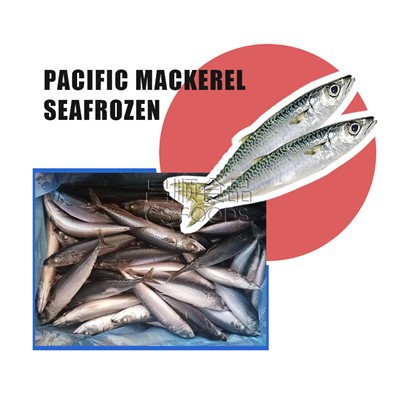
First off, let’s talk a bit about moonfish. They’re these really cool fish that live in the open ocean. They’ve got a unique shape, kind of like a big disk, and they’re usually a silvery color. Moonfish are also warm-blooded, which is pretty rare for fish. This allows them to swim in colder waters and gives them an edge when it comes to hunting.
Now, let’s get into the climate change stuff. One of the biggest ways climate change is affecting the oceans is through rising temperatures. The average temperature of the ocean has been going up steadily over the past few decades, and this can have a big impact on moonfish.
For starters, warmer water can change the distribution of the prey that moonfish rely on. Many of the small fish and squids that moonfish eat are sensitive to temperature changes. As the water warms, these prey species may move to different areas in search of cooler temperatures. This means that moonfish might have to travel further to find food, which can be a real challenge.
In addition to that, warmer water can also affect the metabolism of moonfish. Since they’re warm-blooded, they need to maintain a certain body temperature. When the water around them is warmer, their metabolic rate might increase, and they’ll need to eat more to keep up. If they can’t find enough food, it could lead to problems with growth and reproduction.
Another aspect of climate change is ocean acidification. As the ocean absorbs more carbon dioxide from the atmosphere, the pH of the water decreases, making it more acidic. This can have a negative impact on the shells and skeletons of many marine organisms. While moonfish don’t have a hard shell like some other animals, the acidification can still affect the food chain.
Many of the organisms at the base of the food chain, like plankton, are very sensitive to changes in pH. If the plankton populations decline because of ocean acidification, it could have a ripple effect up the food chain. Less plankton means less food for the small fish and squids, which in turn means less food for moonfish.
The changing climate is also leading to more extreme weather events. Storms, hurricanes, and typhoons are becoming more frequent and more intense. These events can disrupt the normal behavior of moonfish. For example, a big storm can stir up the water and make it difficult for moonfish to find food. It can also damage their habitats and disrupt their migratory patterns.
I’ve noticed some changes in my business that might be related to these climate – related issues. Over the past few years, it’s been a bit harder to catch moonfish in some of the traditional areas. I’m not sure exactly if it’s because of climate change, but it’s definitely a possibility. The size of the moonfish I’m catching also seems to be getting a bit smaller in some cases. This could be due to a combination of factors, but the changes in the environment are likely playing a role.
However, it’s not all doom and gloom. Moonfish are pretty resilient creatures. They’ve been around for a long time, and they’ve adapted to different environmental conditions in the past. There’s also a lot of research going on to better understand how they’re affected by climate change and what we can do to help.
Scientists are studying the behavior and physiology of moonfish to see how they respond to changes in temperature and other environmental factors. They’re also looking at ways to protect the habitats of moonfish and their prey. For example, creating marine protected areas where moonfish can live and breed without as much human interference.
As a moonfish supplier, I’m also trying to do my part. I’m working with fishermen to use more sustainable fishing practices. This means using fishing gear that has less impact on the environment and avoiding overfishing. By doing this, we can help ensure that the moonfish population remains healthy, even in the face of climate change.
I know that some of you out there might be interested in buying moonfish. Whether you’re a restaurant owner looking for high – quality seafood or an individual who wants to try something new, I’ve got you covered. Moonfish is a delicious and healthy option. It’s got a mild flavor and a firm texture, which makes it great for a variety of dishes.
I pride myself on providing the freshest moonfish possible. I work closely with the fishermen to make sure that the fish are caught and handled properly. This means that the moonfish you get from me is of the highest quality.
If you’re interested in purchasing moonfish, get in touch with me. I’d be happy to discuss your needs and figure out the best way to supply you. Whether you need a small amount for a family dinner or a large quantity for your business, I can work with you.

Let’s work together to enjoy these amazing fish while also doing our part to protect them and the ocean they live in.
Indian Mackerel References
- "The Effects of Climate Change on Marine Ecosystems", Journal of Marine Biology
- "The Physiology of Moonfish in a Changing Climate", Marine Science Research
- "Sustainable Fishing Practices in the Face of Climate Change", Fisheries Management Review
Changshion Foods Co., Ltd.
As one of the most professional moonfish manufacturers and suppliers in China, we have world-leading production equipment and strong manufacturing capabilities. Please rest assured to wholesale high quality moonfish at competitive price from our factory.
Address: NO. 710, JIUER EAST ROAD, SHISHI CITY, QUANZHOU CITY, FUJIAN PROVINCE, CHINA
E-mail: info@changshion.com
WebSite: https://www.changshionfoods.com/
