Communication towers, those towering giants that dot the modern landscape, are far more than mere structures facilitating wireless communication. As a supplier of communication towers, I’ve witnessed firsthand the profound cultural implications they carry. These imposing structures are not just technological marvels; they are silent storytellers, shaping and reflecting the cultures of the communities they serve. Communication Towers

1. A Symbol of Progress and Connectivity
In many parts of the world, communication towers are immediately recognized as symbols of progress. They stand as tangible evidence that a community is embracing modern technology, bridging the gap between the local and the global. In developing regions, the erection of a new communication tower is often met with great enthusiasm, signaling the arrival of better connectivity and access to information. It’s a visible sign that the community is taking a step forward into the digital age.
Take, for example, rural communities in Africa. Before the installation of communication towers, these areas were often isolated from the rest of the world, with limited access to news, education, and economic opportunities. The introduction of communication towers has transformed these communities. Farmers can now access market prices in real – time, students can take online courses, and families can stay in touch with loved ones living far away. The tower becomes more than a piece of infrastructure; it’s a beacon of hope and a catalyst for social and economic development.
On a global scale, communication towers are the backbone of our interconnected world. They enable seamless communication across continents, breaking down geographical barriers and bringing people closer together. In our digital age, where information travels at the speed of light, these towers ensure that we can stay informed, collaborate, and communicate with others, regardless of distance. This sense of global connectivity has a significant impact on our cultural perceptions. It broadens our horizons, exposes us to different cultures, and fosters a sense of global citizenship.
2. Architectural and Aesthetic Impact
The physical presence of communication towers has a notable effect on the architectural and aesthetic character of a region. In urban areas, these towers often blend into the skyline, becoming part of the cityscape. Some cities have even embraced the unique design of communication towers, incorporating them into their urban planning as landmarks. For instance, the CN Tower in Toronto is not only a communication hub but also a world – famous tourist attraction. Its distinctive design and towering height have made it an icon of the city, representing Toronto’s modernity and innovation.
In contrast, in more natural or historical settings, communication towers can sometimes be seen as intrusive. Their large size and industrial appearance may clash with the surrounding environment. However, in recent years, there has been a growing trend towards designing communication towers that are more aesthetically pleasing and environmentally friendly. Some towers are now designed to resemble trees or other natural elements, making them blend more seamlessly into the landscape. This approach not only reduces the visual impact but also shows a respect for the cultural and natural heritage of the area.
3. Social and Cultural Integration
Communication towers play a crucial role in social and cultural integration. They provide the infrastructure for various forms of communication, such as mobile phones, radio, and television, which are essential for sharing cultural values, traditions, and ideas. Through these communication channels, people can access local and international media, which helps in preserving and promoting cultural heritage.
For example, local radio stations can broadcast traditional music, stories, and news in the native language, keeping the cultural identity of a community alive. Television stations can produce documentaries and shows that showcase the unique cultural aspects of a region, both to the local population and to a global audience. In addition, social media platforms, which rely on the connectivity provided by communication towers, have become powerful tools for cultural exchange. People can share their cultural experiences, traditions, and art forms with others around the world, creating a more inclusive and diverse global culture.
Moreover, communication towers facilitate community building. They enable people to connect with each other, organize events, and participate in social activities. In rural areas, mobile communication has made it easier for villagers to come together for festivals, meetings, and other cultural gatherings. This sense of community is vital for the preservation and transmission of cultural values from one generation to the next.
4. Cultural Challenges and Adaptations
While communication towers bring many benefits, they also pose some cultural challenges. One of the main concerns is the potential loss of traditional forms of communication and social interaction. As people become more reliant on digital communication, face – to – face interactions may decrease, and traditional cultural practices that rely on in – person communication may be at risk.
For example, in some indigenous communities, oral storytelling is a vital part of their cultural heritage. However, with the increasing popularity of digital entertainment, younger generations may be less interested in listening to these traditional stories. To address this issue, efforts are being made to integrate traditional cultural practices with modern communication technologies. Some indigenous communities are using digital media to record and share their oral stories, ensuring that their cultural heritage is preserved for future generations.
Another challenge is the impact of global media on local cultures. With the easy access to international media through communication towers, there is a risk of cultural homogenization. Local cultures may be overshadowed by the dominant global culture, leading to the loss of unique cultural identities. To counter this, many countries are implementing policies to support local media and cultural industries. They are promoting the production and consumption of local content, which helps to preserve and strengthen cultural diversity.
5. Spiritual and Mythological Significance
In some cultures, communication towers have taken on spiritual or mythological significance. Just as ancient temples and monasteries were once considered sacred places that connected the earthly and spiritual realms, modern communication towers are seen by some as a link between humans and the vast digital universe.
In certain indigenous beliefs, the tall structures of communication towers are compared to the totems or sacred pillars that were used in traditional ceremonies. These towers are thought to have a kind of energy that can influence the spiritual well – being of the community. Some people believe that the signals transmitted by these towers carry not only information but also a form of collective consciousness, connecting all who use the communication network on a deeper, spiritual level.
Conclusion
As a supplier of communication towers, I am deeply aware of the far – reaching cultural implications of these structures. They are not just tools for communication; they are powerful cultural symbols that shape our societies, influence our values, and connect us in ways we could have never imagined.
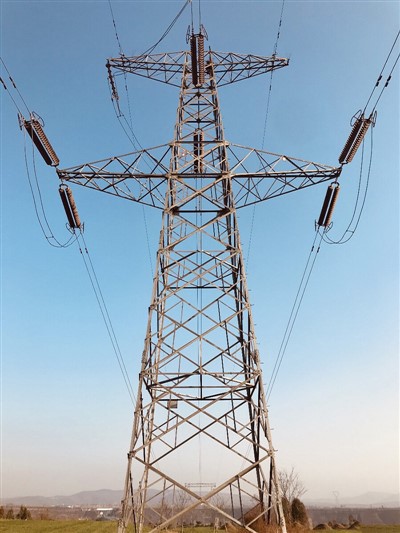
The cultural significance of communication towers is a complex and multi – faceted topic. On one hand, they represent progress, connectivity, and the potential for cultural exchange and integration. On the other hand, they also present challenges that need to be addressed to ensure the preservation of cultural diversity and traditional values.
Monitoring Tower If you are interested in exploring the possibilities of enhancing communication in your community or business, I invite you to reach out for a procurement discussion. We are committed to providing high – quality communication towers that not only meet your technical needs but also respect the cultural and environmental context in which they are installed.
References
- Appadurai, A. (1990). Disjuncture and difference in the global cultural economy. Public Culture, 2(2), 1 – 24.
- Castells, M. (2000). The Rise of the Network Society. Wiley – Blackwell.
- Tomlinson, J. (1999). Globalization and Culture. University of Chicago Press.
Hebei Yifeng Steel Structure Co., Ltd.
As one of the most professional communication towers manufacturers and suppliers in China, we offer a wide range of products with superior quality. Please feel free to buy cost-efficient communication towers for sale here from our factory. Contact us for more details.
Address: Guangchuan Town Industrial Zone, Jing County, Hengshui City, Hebei Province
E-mail: hbyfgjg@163.com
WebSite: https://www.yf-powertowers.com/
