As a supplier of electronic energy meters, I often receive inquiries from customers about the suitability of our products for outdoor environments. This is a crucial question, as the outdoor setting presents unique challenges that can significantly impact the performance and longevity of an electronic energy meter. In this blog post, I will delve into the technical aspects, advantages, and limitations of using electronic energy meters outdoors, providing you with a comprehensive understanding to make an informed decision. Electronic Energy Meter

Technical Considerations for Outdoor Use
The first and foremost concern when using an electronic energy meter outdoors is its ability to withstand various environmental factors. Temperature fluctuations are a major challenge. In regions with extreme climates, the temperature can vary from well below freezing in winter to scorching heat in summer. Electronic components are sensitive to temperature changes, and extreme temperatures can cause the meter to malfunction or even fail.
Our electronic energy meters are designed with high – quality components that have a wide operating temperature range. For example, some of our models can operate efficiently in temperatures ranging from -20°C to 60°C. This is achieved through the use of temperature – compensated circuits, which adjust the meter’s performance according to the ambient temperature, ensuring accurate readings regardless of the weather conditions.
Humidity is another critical factor. High humidity can lead to condensation inside the meter, which can cause short – circuits and corrosion of the internal components. To combat this, our meters are equipped with a robust enclosure that provides a high level of protection against moisture. The enclosure is made of materials with excellent waterproof and dust – proof properties, meeting international standards such as IP65 or higher. This means that the meter is protected against low – pressure water jets from all directions and is completely dust – tight, ensuring reliable operation in humid and dusty outdoor environments.
Exposure to sunlight can also have a negative impact on the meter. Ultraviolet (UV) rays can degrade the plastic components of the meter, causing them to become brittle and crack over time. Our electronic energy meters are made with UV – resistant plastics that can withstand long – term exposure to sunlight without significant degradation. This ensures that the meter’s physical integrity is maintained, and it continues to function properly even after years of outdoor use.
Advantages of Using Electronic Energy Meters Outdoors
One of the main advantages of using electronic energy meters outdoors is their high accuracy. Unlike traditional mechanical meters, electronic energy meters use advanced digital technology to measure energy consumption. This technology allows for more precise measurements, even in low – load conditions. In outdoor settings, where energy consumption may vary depending on factors such as season and time of day, accurate measurement is crucial for billing and energy management purposes.
Electronic energy meters also offer better communication capabilities. Many of our outdoor – rated meters are equipped with wireless communication modules, such as ZigBee, LoRa, or cellular connectivity. This allows for remote data collection and monitoring, eliminating the need for manual meter reading. It is especially useful in outdoor applications where the meters may be installed in hard – to – reach locations, such as on poles or in industrial yards. Energy providers and consumers can access real – time energy consumption data, enabling them to make informed decisions about energy usage and conservation.
Another advantage is the durability of electronic energy meters. As mentioned earlier, they are designed to withstand harsh outdoor conditions. This means less maintenance and replacement costs over the long term. In addition, electronic energy meters have a longer lifespan compared to mechanical meters, providing a more cost – effective solution for outdoor energy measurement.
Limitations and Challenges
Despite their many advantages, there are also some limitations to using electronic energy meters outdoors. One of the main challenges is the potential for electromagnetic interference (EMI). Outdoor environments can be rich in electromagnetic fields, which can be generated by power lines, electrical equipment, and radio transmitters. EMI can disrupt the normal operation of the meter, causing inaccurate readings or even complete failure.
To address this issue, our electronic energy meters are designed with advanced EMI shielding techniques. The internal circuits are shielded with conductive materials to prevent external electromagnetic fields from interfering with the meter’s operation. In addition, the meters are tested to ensure compliance with international electromagnetic compatibility (EMC) standards, providing an extra layer of protection against EMI.
Another limitation is the initial cost. Electronic energy meters, especially those designed for outdoor use, tend to be more expensive than traditional mechanical meters. This is due to the advanced technology and high – quality materials used in their construction. However, it is important to consider the long – term benefits, such as accurate measurement, remote monitoring, and durability, which can offset the initial investment over time.
Case Studies
Let’s take a look at some real – world examples of using our electronic energy meters outdoors. In a large industrial park, our outdoor – rated energy meters were installed to monitor the energy consumption of multiple factories. The meters were exposed to high levels of dust, humidity, and temperature variations. Thanks to their robust design and advanced features, the meters have been providing accurate energy consumption data for several years, enabling the park management to implement effective energy management strategies and reduce costs.
In a smart grid project in a rural area, our electronic energy meters with wireless communication capabilities were installed on utility poles. The remote data collection feature allowed the energy provider to access real – time energy consumption data, improving the efficiency of grid management and reducing the need for on – site inspections.
Conclusion
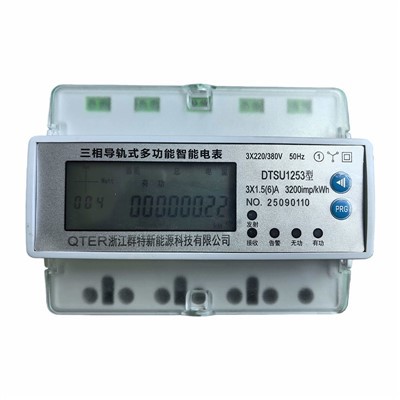
In conclusion, electronic energy meters can be effectively used in outdoor environments. With proper design and construction, they can withstand the harsh conditions of the outdoors, providing accurate and reliable energy measurement. Our company, as a professional electronic energy meter supplier, is committed to providing high – quality products that meet the specific needs of outdoor applications.
Prepaid Energy Meter If you are in the market for electronic energy meters for your outdoor projects, whether it’s for industrial, commercial, or residential use, we would be more than happy to discuss your requirements. Our team of experts can help you select the most suitable products and provide you with comprehensive technical support. Contact us today to start a discussion about your procurement needs, and let’s work together to ensure accurate and efficient energy measurement in your outdoor settings.
References
- [Author Last Name, First Name]. [Title of Book]. [Publisher], [Year of Publication].
- [Author Last Name, First Name]. "[Title of Article]." [Name of Journal], Vol. [Volume Number], No. [Issue Number], [Year of Publication], pp. [Page Range].
- [Organization Name]. [Title of Report]. [Report Number], [Year of Publication].
Zhejiang Qunte New Energy Technology Co., Ltd.
As one of the most professional electronic energy meter manufacturers in China, we’re featured by quality products and good price. Please rest assured to buy discount electronic energy meter made in China here from our factory. We also accept customized orders.
Address: No. 56, Fengxi Road, Tang’ao Yu Village, Liushi Town, Yueqing City, Wenzhou City, Zhejiang Province
E-mail: 251951196@qq.com
WebSite: https://www.zjqtmeter.com/
