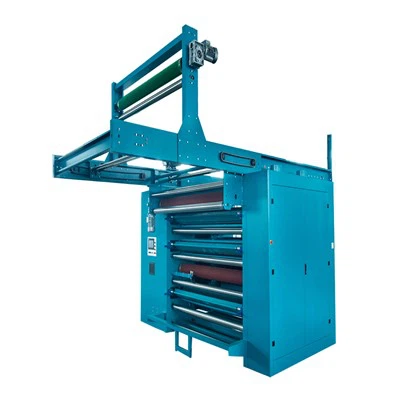
As a supplier of textile flapping machines, I understand the significance of durability in these machines. A durable textile flapping machine not only ensures long – term operation but also reduces maintenance costs and enhances productivity. In this blog, I will share some effective ways to improve the durability of a textile flapping machine. Textile Flapping Machine
1. High – Quality Materials Selection
The foundation of a durable textile flapping machine lies in the quality of materials used in its construction. When manufacturing these machines, we always opt for high – grade metals and alloys. For example, using stainless steel for key components such as the frame and moving parts can significantly enhance corrosion resistance. Stainless steel is not only strong but also resistant to rust, which is crucial in a textile production environment where moisture and chemicals may be present.
In addition to metals, the choice of polymers for non – metallic parts is also important. High – performance plastics with good wear resistance and mechanical properties can be used for gears, bearings, and other small components. These materials can withstand the high – speed movements and frictions within the machine, reducing the likelihood of premature wear and tear.
2. Precise Manufacturing Processes
Precision in manufacturing is essential for the durability of a textile flapping machine. Each component must be fabricated with high accuracy to ensure proper fit and function. We use advanced machining techniques such as CNC (Computer Numerical Control) machining to produce parts with tight tolerances. This ensures that the machine operates smoothly and that there is minimal stress on individual components.
For example, when manufacturing the flapping mechanism, the gears and shafts need to be machined to exact specifications. Any deviation in the dimensions can lead to uneven wear, increased noise, and reduced efficiency. By maintaining high precision in the manufacturing process, we can extend the lifespan of the machine.
3. Regular Maintenance and Inspection
Regular maintenance is a key factor in improving the durability of a textile flapping machine. We recommend that our customers establish a comprehensive maintenance schedule. This includes daily, weekly, monthly, and annual maintenance tasks.
On a daily basis, operators should check for any loose parts, abnormal noises, or signs of wear. They should also clean the machine to remove dust and debris, which can accumulate and cause damage over time. Weekly maintenance may involve lubricating moving parts, checking the tension of belts, and inspecting electrical connections.
Monthly inspections can focus on more in – depth checks, such as measuring the wear of critical components and adjusting the alignment of the machine. Annual maintenance should include a thorough overhaul of the machine, replacing any worn – out parts, and conducting performance tests.
4. Proper Lubrication
Lubrication is vital for reducing friction and wear in a textile flapping machine. Different parts of the machine require different types of lubricants. For example, bearings need a high – quality grease that can withstand high – speed rotation and heavy loads. Gears may require a lubricating oil with good anti – wear properties.
It is important to use the correct lubricant and apply it in the right amount. Over – lubrication can lead to the accumulation of dirt and debris, while under – lubrication can cause excessive friction and premature wear. We provide detailed lubrication guidelines to our customers to ensure that they are using the appropriate lubricants and applying them correctly.
5. Operator Training
Well – trained operators can significantly contribute to the durability of a textile flapping machine. We offer comprehensive training programs for our customers’ operators. These programs cover the proper operation of the machine, including starting and stopping procedures, adjusting settings, and handling emergency situations.
Operators should also be educated on the importance of following the machine’s operating limits. For example, they should not overload the machine or operate it at speeds higher than the recommended range. By using the machine correctly, operators can prevent unnecessary stress on the components and extend the machine’s lifespan.
6. Environmental Considerations
The environment in which the textile flapping machine operates can have a significant impact on its durability. The machine should be installed in a clean, dry, and well – ventilated area. High humidity, dust, and extreme temperatures can all cause damage to the machine.
If the machine is used in an area with high levels of dust, appropriate dust – control measures should be implemented. This can include installing dust collectors or using air filters. In addition, the machine should be protected from direct sunlight and moisture to prevent corrosion and other forms of damage.
7. Upgrading and Modernization
As technology advances, it is important to consider upgrading and modernizing the textile flapping machine. We offer upgrade packages for our machines, which can include new control systems, improved flapping mechanisms, and enhanced safety features.
Upgrading the machine can not only improve its performance but also increase its durability. For example, a new control system can optimize the machine’s operation, reducing stress on the components. An improved flapping mechanism can be more efficient and less prone to wear.
8. Quality Control and Testing
Before a textile flapping machine leaves our factory, it undergoes rigorous quality control and testing. We have a team of experienced quality control engineers who inspect each machine to ensure that it meets our high standards.
The testing process includes running the machine under various operating conditions to check for performance, reliability, and durability. We also conduct stress tests to simulate real – world scenarios and identify any potential weaknesses in the machine. By ensuring that each machine is of high quality before it is delivered to the customer, we can minimize the risk of early failures and improve the overall durability of the machine.
In conclusion, improving the durability of a textile flapping machine requires a comprehensive approach that includes high – quality materials, precise manufacturing, regular maintenance, proper lubrication, operator training, environmental considerations, upgrading, and quality control. By implementing these measures, we can provide our customers with machines that are reliable, long – lasting, and cost – effective.

If you are interested in our textile flapping machines or have any questions about improving their durability, please feel free to contact us. We are always ready to discuss your specific needs and provide you with the best solutions.
Textile Washing Machine References:
- Machinery Handbook, Industrial Press Inc.
- Textile Manufacturing Technology, CRC Press
Jiangsu Feng Te Technology Co., Ltd.
We’re well-known as one of the leading textile flapping machine manufacturers in China. With a professional production team, we are able to meet the needs of the majority of our customers. Please rest assured to buy discount textile flapping machine for sale here from our factory.
Address: No. 4 Zhanghong Road, Siying Industrial Park, Lianyungang City, Jiangsu Province, China
E-mail: frentejenny@foxmail.com
WebSite: https://www.jsfrente.net/
