If you’ve ever stood in a warehouse at 2 a.m., watching a pallet jack glide over concrete that was supposed to be smooth but instead catches the wheels like a stubborn thumb tack, you’ve felt the quiet frustration of floor pads that just don’t perform. As someone who’s spent the last 12 years building floor pads for warehouses, manufacturing plants, and even small local shops, I’ll let you in on a secret: the best floor pads aren’t just “soft” or “hard”—their texture is a carefully calibrated mix of science and real-world use, not something that just happens when you dump some rubber into a mold. I get emails every week from shop owners, maintenance managers, and even DIYers asking the same question: “What’s a typical floor pad actually made to feel like when it’s on the ground?” Today, I’m breaking that down the way I do when I’m helping a customer pick their first set—no fancy jargon, just the stuff that matters when your floor pad is holding 2,000-pound pallets or protecting a ceramic tile display. Floor Pads
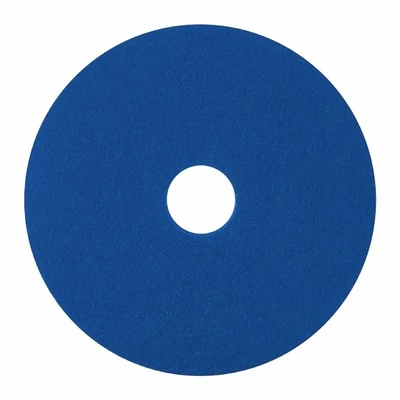
First, let’s start with the base material, because that’s where texture begins. Most typical floor pads are made from a blend of natural and synthetic rubber, and the ratio changes everything. Natural rubber, which comes from tree sap, has a soft, stretchy give—think the grip of a good tennis shoe sole. Synthetic rubber (usually SBR, or styrene-butadiene rubber) is stiffer, more durable, and stands up better to oil and chemicals that leak from pallets or machine parts. A standard industrial floor pad, the kind you’d see under a conveyor belt or heavy machinery, is usually a 60/40 blend of SBR and natural rubber. The texture here is what I call “controlled give”: when you press down on a fresh pad with your thumb, it gives about 1/8 of an inch, no more. If it was all natural rubber, it’d feel too squishy—like stepping on a ripe banana—and wouldn’t support weight. If it was all SBR, it’d feel like a old hard eraser, and it’d crack after a month of being in constant use. That 60/40 blend is the sweet spot for most typical floor pads, and it’s the reason they feel consistent, not overly soft or rigid.
Now, the surface texture. This is where most people get it wrong—they think a smooth pad is better, but that’s rarely the case for typical use. The top surface (the one that touches your floor) isn’t flat. It’s textured with small, uniform nubs, usually 3/16 of an inch tall and spaced 1/2 an inch apart in a grid pattern. When you run your hand over it, it feels like a very fine, bumpy canvas—no sharp edges, just gentle, even bumps. That texture isn’t random. It does two things: first, it creates small air pockets between the pad and the floor, which helps drain water, cleaning solution, or oil instead of letting it pool under the pad. Pooled liquid makes the pad slide, and if you have heavy machinery, sliding pads can scratch your floor or even cause the equipment to shift. Second, the nubs distribute weight more evenly. If a pad was smooth, the contact area would be smaller, so the pressure per square inch would be higher—like standing on a tip of a pencil. The nubs spread that pressure out, making the pad feel stable, not like it’s going to sink into the floor.
The bottom surface, though, is a different texture entirely. If you flip a typical floor pad over, you’ll notice it’s not the same bumpy grid. Most standard pads have a slightly rough, matte finish on the bottom, often with small, shallow grooves cut into it. When you press down on it with your palm, the bottom feels grippy, almost like the back of a new shower mat, but not sticky. The grooves here serve a purpose too: they let air escape as the pad is installed, so it doesn’t bubble up or form gaps. A smooth bottom would create a suction effect on some floors, especially concrete that’s been recently sealed, making it hard to move if you need to reposition equipment. The grooved bottom gives just enough give to prevent that suction, while still keeping the pad from sliding.
Wait, but what about different types of floors? A typical floor pad for concrete is different from one for tile or wood, right? Let’s talk about that, because texture changes slightly depending on the job, even for “typical” pads. A pad for concrete might have a slightly stiffer blend, maybe 70/30 SBR, so it feels a bit harder when you press it—about 1/16 of an inch of give. Concrete is already rough, so you don’t need as much cushioning, and the firmer pad lasts longer on abrasive concrete that has small chips or aggregate sticking up. For tile, though, a typical pad needs to be a bit softer—65/35 SBR and natural rubber—so it gives about 3/16 of an inch. The texture on top is also finer, smaller nubs, because tile is smoother, and larger nubs could catch on the grout lines, lifting the pad over time. For wood floors, which are even more delicate, the texture is super gentle: very small, almost invisible nubs, and a very soft blend that gives 1/4 of an inch. I always say, if you test a wood floor pad on concrete, it’ll feel like a marshmallow under a bowling ball—great for wood, not so much for heavy equipment.
A lot of people ask me if add-ons change the texture, like anti-slip coatings or fiber layers. For typical pads, we don’t use fancy coatings because they wear off too fast. Instead, we add a small amount of recycled rubber crumb—about 10% of the blend—to some standard pads. That gives a slightly rougher, more grippy feel, like sandpaper that’s fine enough not to scratch the floor. It’s a trick we developed a few years back after a customer complained that their pad slid when they had wet pallets coming through the loading dock. The crumb adds just enough texture to prevent slip, without making the pad uncomfortable to stand on if someone has to work near it.
Let’s talk about how texture changes over time, too. A brand new typical floor pad feels consistent, like I said, but after a few months of use, the surface texture starts to smooth out a little. The nubs wear down, which is normal—we expect that. If a pad’s texture doesn’t wear at all, that’s a red flag; it’s probably made of cheap rubber that’s too hard, and it’ll crack before it gets a chance to grip. After a year or so, a typical industrial pad will have a slightly worn, matte finish on the top, not the sharp bumpy grid it had when new. If it starts to feel greasy or slippery at that point, that’s not a texture issue—that’s a sign it’s time to replace it. I always tell my customers: if your pad is more than two years old and it feels like a soft, squishy rubber band, it’s gone bad, no matter how good it looks.
I’ve had customers send me photos of pads they bought online that said “typical floor pad” but felt totally different. Last month, a maintenance manager from a food processing plant sent me a pad he’d ordered for under a conveyor. It felt like a piece of old tire—hard, rough, no give at all. When we tested it, it was made of 100% virgin SBR, no natural rubber, and the nubs were sharp, not rounded. That’s the problem with cheap pads: they cut corners on texture to save money. A real typical floor pad is made to feel balanced, not too hard, not too soft, grippy but not sticky, durable but flexible.
So, why does texture matter anyway? If a pad’s just going to be under a machine no one touches, why does it feel like anything? Let me give you an example from a customer I had three years ago. A small manufacturing shop had put in cheap, hard pads under their new stamping machine. After six months, the machine started shifting, because the pads slid on the concrete. The hard nubs had worn down smooth, and there was no give to distribute the weight. They replaced them with our standard 60/40 blend pads, the typical ones we talk about here, and within a week, the shifting stopped. The texture— the give, the nubs, the grippy bottom—was enough to keep the machine steady, and they didn’t have to adjust it every month.
If you’re in the market for floor pads, don’t just look at the price or the size. Feel the pad, and ask yourself: does it have that controlled give? Is the surface texture uniform, no sharp spots or bare patches? Is the bottom grippy, not smooth? If it does, that’s a typical floor pad done right. For over a decade, we’ve specialized in manufacturing high-quality floor pads tailored to all sorts of applications, from industrial warehouses to residential spaces, and our team is here to help you find the right pad for your needs. Whether you need pads for heavy machinery, protecting delicate floors, or use in a commercial space, we can walk you through the texture, materials, and durability to make sure you get exactly what you need. To discuss your specific requirements and place an order, reach out to our team today.
Scrub Sponges References
- Occupational Safety and Health Administration (OSHA). (2022). Floor Protection and Slip Resistance in Industrial Workplaces. U.S. Department of Labor.
- Rubber Manufacturers Association. (2021). Performance Characteristics of Elastomeric Materials for Industrial Pads. RMA Technical Bulletin 104.
- American Society for Testing and Materials (ASTM). (2020). Standard Specification for Elastomeric Pads for Floor Protection and Vibration Damping. ASTM D5262-20.
- National Floor Safety Institute (NFSI). (2023). Industrial Floor Pad Texture and Slip Mitigation Best Practices. NFSI Technical Report.
- International Organization for Standardization (ISO). (2022). Rubber and Plastic Hoses and Pads for General Industrial Use. ISO 1307:2022.
Guangzhou YION New Material Technology Co., Ltd.
As one of the most professional floor pads manufacturers and suppliers in China, we offer a wide range of products with superior quality. Please feel free to buy customized floor pads made in China here from our factory. Also, quotation is available.
Address: Room 110, Building 2, No. 2 Jinhuan Street, Nansha District, Guangzhou City, Guangdong Province, China.
E-mail: info@yiontech.cn
WebSite: https://www.yionpads.com/
