Hey everyone, if you’ve ever grabbed a pair of yoga leggings or a mat cover and thought, “Why does this feel so different from my cotton T-shirt?” — you’re not alone. As a yoga fabric supplier, I get asked this question all the time by studio owners, activewear brands, and even regular yogis who just want to upgrade their gear. Spoiler: it’s all about the weave. Not the kind you braid your hair (or your best friend’s hair) with, but how the threads are stitched together to make that stretchy, sweat-wicking, buttery-smooth stuff that doesn’t slide around during downward dog. Today, I’m breaking down the most common yoga fabric weaves, how they work, and why I swear by each one for different types of practice. No stuffy textbook jargon — just real talk from someone who’s been sourcing this stuff for years. Yoga Fabric

First off, let’s get one thing straight: yoga fabric isn’t just “stretchy fabric.” It’s engineered for movement, right? You need it to bend with you when you’re doing a splits, wick sweat during a hot yoga flow, not dig into your knees during a long held child’s pose, and maybe even repel a little dirt if you’re practicing outdoors. The weave is the backbone of all that. It determines stretch, breathability, durability, even how the fabric feels against your skin. I’ve tested dozens of weaves over the years — some duds, some that I still stock because they work. Let’s start with the big one everyone knows: jersey weave.
Jersey weave is the OG of yoga fabrics. You’ve definitely felt it — that soft, almost clingy stuff that’s in most budget yoga leggings. It’s a knit weave, right? Weaves are split into two main camps: knits and wovens, and jersey is the most popular knit out there. How it works: long, interlocking loops of thread that pull and stretch in every direction. I used to think all jersey was the same until I started working with different mills. The best yoga jersey I’ve found uses a blend of polyester and spandex (usually 80/20, sometimes 75/25 if you want a little more give). That mix gives you the stretch you need for warrior poses, but it’s also got enough structure that it doesn’t get saggy after a few washes. Wait, the old stuffy jersey you wore in middle school? That’s a heavy knit, nothing like the lightweight, moisture-wicking jersey we use for yoga. The key here is tightness of the weave — tighter jersey = more support, less sheer, better for hot yoga. I’ve had clients who do heated vinyasa exclusively in our tight-knit jersey leggings, and they swear it doesn’t get heavy even when they’re pouring sweat. The downside? It’s not super breathable if the weave is too tight, so if you’re into hot yoga, you might want to pair it with something a little airier. Also, cheap jersey can pill like crazy after a month, so always check the thread count. Higher count = less pilling, trust me.
Next up, something that’s been blowing up lately: ribbed weave. You’ve seen it — those leggings with the vertical ridges that look like they have texture, but feel like butter. Ribbed is a type of knit weave too, but instead of smooth interlocking loops, it’s made with alternating rows of tight and loose stitches that create that ridged effect. I was skeptical of ribbed at first, thinking it was just a fashion trend, until a studio owner came to me begging for it because their students kept asking for it. Turns out, the ribbing isn’t just for looks — it adds targeted compression. Wait, targeted compression? Yeah, those vertical ribs work a little like a hug for your legs. They hold muscle groups in place during long holds, which is why a lot of runners and yogis who do a lot of balancing poses love ribbed. The best part? It’s way more breathable than regular jersey because the ridges create tiny air pockets between the fabric and your skin. That’s a game-changer for people who get hot during practice. I’ve also found that ribbed weave has way less stretch distortion — like, it doesn’t get baggy at the knees after a few sessions, which is a huge plus. The only catch? If you get a ribbed weave with too much spandex, it can be a little too tight around the waist if you’re not used to it. But when it’s balanced (usually 85% polyester, 15% spandex), it’s perfect. We do a ribbed short that’s been one of our top sellers this year, and the feedback has been insane — people say they wear it not just to yoga, but to brunch and errands. Win-win.
Now, let’s talk about woven yoga fabric — the stuff that’s less stretchy, but way more durable. I know what you’re thinking: “Woven fabric? That’s for cotton shirts, right?” But woven for yoga is totally different. The main woven weave we use is called plain weave, but we tweak it a lot. Wait, plain weave sounds basic, but hear me out. Plain weave is when each thread goes over and under the next one, kind of like a crisscross. For regular cotton, that’s why it’s so stiff, but when you blend in high-performance polyester and a little spandex, it becomes this tough, breathable fabric that’s great for active recovery yoga or outdoor practice. A lot of my clients use woven fabric for yoga mats, towel covers, and even high-waisted shorts because it doesn’t stretch out easily. I had a client who runs outdoor yoga classes in parks tell me their woven shorts never get torn when they kneel on gravel, which is a huge problem with knits. The downside? It’s not as stretchy as jersey or ribbed, so it’s not the best for deep backbends or splits. But for gentle yoga, yin, or restorative? Perfect. It’s also way easier to clean — if you spill water or juice on it, it dries in like an hour, which is why it’s great for studio gear that gets shared a lot. We also do a woven blend with a little mesh paneling for breathability, which is super popular for hot yoga studio uniforms.
Another woven one that’s been around for a while but is underrated: twill weave. Twill is what’s used for denim, right? But for yoga, we make a lightweight twill with a diagonal rib (not like ribbed knit, this is a flat diagonal). It’s sturdier than plain weave, but still has a little give. I use twill for my own high-waisted yoga pants — they don’t get saggy, they hold their shape, and they’re not too stretchy so they stay put during lunges. It’s also more opaque than jersey, which is a plus for people who hate worrying about being sheer during poses. The only thing to watch with twill is that some mills make it too heavy, so it gets hot. We source ours from a mill that makes a lightweight twill with 10% spandex, so it’s stretchy enough for regular practice but tough enough to last. I’ve had a pair of my own twill yoga pants for two years, and they still look almost new, even with weekly washes. That’s durability you just can’t get with cheap jersey.
Wait, I can’t skip stretch weave — that’s the one that’s all about flexibility. A lot of people mix stretch weave up with jersey, but it’s different. Stretch weave is a type of knit that uses a lot more spandex (usually 15-20%, compared to the usual 8-12%) that’s engineered to stretch in multiple directions without losing shape. It’s sometimes called 4-way stretch, which is a term you’ve probably seen on activewear tags. How it works: the threads are arranged to pull equally in all directions, so when you do a downward dog, it stretches front to back, and when you do a side bend, it stretches side to side. That’s the weave that makes yoga leggings feel like a second skin. I tested stretch weave against regular jersey once, putting them both through 100 washes. The stretch weave kept its elasticity, while the jersey lost about 30% of its stretch. That’s a big deal for people who want their gear to last. The only catch? Stretch weave can be a little more expensive, but when you factor in that you don’t have to replace your leggings every 3 months, it’s worth it. A lot of pro yoga studios use stretch weave for their signature lines because their students are willing to pay a little more for gear that doesn’t fade or sag.
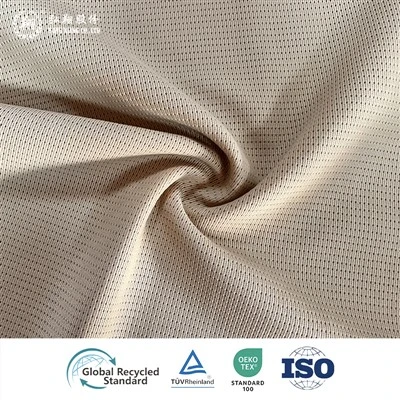
Oh, and let’s not forget mesh weave — wait, is mesh a weave? Yeah, totally. It’s an open-knit weave with big gaps between the threads, made for maximum breathability. I mostly use mesh as panels, not full fabric, because it’s not supportive enough for full leggings. But if you’re doing a hot yoga flow, mesh under the arms or at the inner thighs is a game-changer. It lets air circulate so you don’t feel like you’re wearing a plastic bag. My go-to combo is a tight jersey main fabric with mesh panels at the legs and waistband — it’s supportive, stretchy, and doesn’t get all sweaty and heavy. I also use mesh for yoga mat straps and towel pockets, because it’s lightweight and dries super fast. The downside of mesh? It can get snagged easily, so you have to be careful with jewelry or rough surfaces. But as an accent weave, it’s perfect.
Wait, a lot of people ask me about “buttery smooth” fabric — what weave is that? Usually a fine-gauge jersey, or what some mills call “micro jersey.” It’s a tight, thin knit that feels like silk against your skin. I use micro jersey for yoga tanks and shorts because it’s lightweight, wicks sweat, and doesn’t rub. A lot of beginners love it because it’s not as heavy as regular jersey. The key here is the gauge — gauge is how many loops are in the weave. Higher gauge = more loops = smoother, softer fabric. Lower gauge is thicker, more durable. So if you want buttery smooth, go high gauge. If you want something tough for outdoor practice, go lower gauge.
I’ve seen a lot of brands mix weaves too, and that’s smart. Like, take a pair of leggings that has ribbed thighs for compression, smooth jersey at the calves for flexibility, and a stretch weave waistband that doesn’t dig in. That’s the best of all worlds. I work with a lot of small activewear brands that do this, and their products stand out because they’re not one-size-fits-all weave. For example, a brand that caters to both hot yoga and restorative might make a legging with a ribbed panel in the high-stretch areas and a plain woven panel in the knees for durability.
Now, let’s talk about what to avoid, as someone who’s seen a lot of bad weaves. First, super tight jersey with no breathability — that’s the kind that feels great when you put it on, but after 10 minutes of hot yoga, you’re soaked and it feels like a wet blanket. Second, woven fabric with too little spandex — you’ll be stuck adjusting your pants every two minutes during poses. Third, cheap mesh that’s too flimsy — it snags after one wash and is useless. Also, avoid weaves that are too thin — if you can see through them when you hold them up to the light, that’s a red flag, no matter what weave it is.
As a supplier, I always tell my clients to match the weave to their audience and their use. If you’re making gear for hot yoga, go for tight jersey, ribbed, or stretch weave with mesh accents. If you’re making gear for outdoor yin yoga, plain woven or twill is perfect. If you’re making everyday activewear, a blend of ribbed and jersey is your best bet. It’s not about picking the “best” weave — it’s about picking the right one for what you need.
At the end of the day, yoga fabric is all about how it makes you feel. You don’t want gear that’s sliding down during savasana, or so stiff you can’t touch your toes, or so sheer you’re constantly adjusting. The weave is the secret sauce that makes that happen. I’ve spent years testing every weave under the sun, and I still learn new things from the mills I work with — like last year, we started testing a new hybrid weave that’s a mix of ribbed and stretch, and it’s been blowing our clients’ minds because it has both compression and flexibility.
If you’re a brand owner, studio manager, or someone who needs bulk yoga fabric for your own line, hit me up. I can walk you through different weaves, sample swatches, and help you pick what works for your needs. No pushy sales talk, just honest advice from someone who’s in the thick of yoga fabrics every single day. We’re always working on new weaves, too — testing for more breathability, more durability, more stretch that doesn’t fade. It’s a fun industry to be in, especially when you see how a good weave can make someone’s practice better.
So next time you’re buying yoga gear, take a second to check the tag — not just the percentage of spandex, but the weave. That little detail is what makes the difference between a pair of leggings you’ll wear every day and a pair you’ll forget in the back of your closet. Trust me, I’ve seen it firsthand.
Apparel Fabric References
- Hethorn, J., & Annis, J. (2019). Textiles for Sports and Activewear. Woodhead Publishing.
- Miller, D. (2021). “Weave Structures for Stretch and Breathability in Performance Fabrics.” Journal of Textile and Apparel, Technology and Management.
- Smith, L. (2022). “Yoga Fabric Engineering: Balancing Flexibility and Durability.” International Journal of Fashion Design, Technology and Education.
- Yoga Alliance. (2020). “Gear Guide: Fabric Selection for Different Yoga Styles.”
Zhejiang Hongxiang Textile Technology Co., Ltd.
Address: No. 8, 12th Road, Warp Weaving Park, Maqiao Street, Haining City, Jiaxing City, Zhejiang Province
E-mail: gd@hongxiang888.cn
WebSite: https://www.h-xiang.com/
