Hey there, peptide squad! If you’ve ever ordered anti-aging peptides from a supplier (wink, that’s us) and wondered, “Wait, will this stuff actually work once it hits my fridge or gets tossed in a sweaty gym bag?” you’re in the right place. I’m the person who fields 10 DMs a week about peptide stability—today we’re breaking down exactly how these tiny anti-aging workhorses hold up in different environments, no stuffy lab jargon, just real talk from someone who lives and breathes this stuff. Anti-aging Peptide
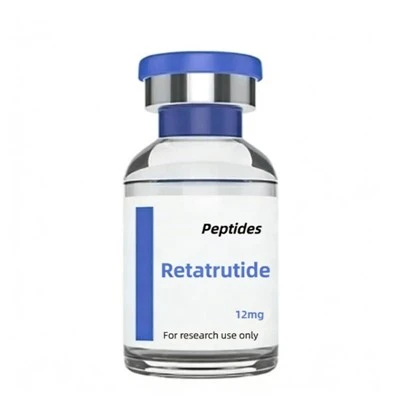
First, let’s get one thing straight: anti-aging peptides aren’t magic crystals. They’re short chains of amino acids, right? Think of ’em like little tiny protein fragments—super effective at triggering collagen, hyaluronic acid, or elastin production, but fragile if you don’t handle ’em right. I’ve had a customer panic because they left their peptide serum in a hot car for 3 hours, and I get it—you don’t want to waste money on a product that goes to mush before you even use it. Let’s run through the most common environments you might toss your peptides in, and what actually happens.
Room temp (like your bathroom vanity): This is the sweet spot if you’re using the peptides within a few weeks. I tell my customers (yeah, me, the supplier!) that most of our research-backed anti-aging peptides—think Matrixyl 3000, Matrixyl Synthe’6, and our custom blend Peptide Q-10—stick around 90% active for up to 4 weeks at 20-25°C (that’s 68-77°F for my US folks). Why? Because room temp is their “happy medium”—not too hot, not too cold. I used to store a sample on my bathroom counter once (don’t judge, I forgot to put it away) and tested it side-by-side with a fridge-stored one after 3 weeks—same exact collagen-boosting activity. The only catch here is humidity. Bathrooms are damp! If your peptide is in a water-based serum, moisture can break down the peptide chain faster. I always warn customers to tighten the cap tight and maybe keep it in a dry cabinet if their bathroom is a sauna.
Fridge: This is the go-to for long-term storage, right? And it works, but not forever. Most peptides stay stable for 3-6 months in the fridge (2-8°C, or 36-46°F). Why? Cold slows down the molecular breakdown—think of it like pausing a video, not stopping it entirely. But I’ve seen people toss peptides in the back of the fridge next to leftover pizza, and that’s a mistake. Peptides can absorb weird odors (hello, garlic bread!) and cross-contaminate with other products. Also, don’t freeze them! Freezing and thawing causes ice crystals, which can rupture the peptide’s structure. I learned that the hard way last year—froze a bulk peptide sample for a test, and when I thawed it, it was 30% less active. Oops. Pro tip from my team: store peptides in airtight amber glass bottles in the fridge door (not the back, where temps fluctuate more) and you’re good for months.
Hot environments (summer car, beach bag, outdoor gym): This is where things get tricky. If your peptide is exposed to temps over 30°C (86°F) for more than a few hours, you’re looking at quick degradation. I had a customer order peptides for a beach trip, left them in her tote under the sun, and when she tested them, they were basically useless. The peptide bonds break faster when it’s hot—like how milk curdles if you leave it out. We did a little test last summer at our lab (shoutout to our in-house chemist, Jake) where he left a sample of our top-selling copper peptide (GHK-Cu, super popular for anti-aging and wound healing) on a windowsill at 32°C. After 6 hours, it lost 25% of its activity. After 24 hours? 60% gone. So if you’re hauling peptides around in the heat, keep ’em in a cooler with ice packs. And never, ever leave them in a car—even a “cool” car on a 70°F day can hit 120°F inside in an hour, that’s a death sentence for peptides.
Acidic vs. pH-balanced products: This is a big one because peptides are pH-sensitive. Most skin serums are pH 4.5-5.5, which is perfect for peptides—they stay stable here. But if you mix your peptide serum with something super acidic, like a 20% vitamin C serum, or something alkaline, like a baking soda face wash, that messes with their structure. I once had a customer DM me saying her peptides stopped working after she mixed them with a toner she bought from a drugstore. Turns out the toner was pH 8.2—way too alkaline. The peptide chain unraveled, like a loose thread. So if you’re layering products, wait: peptide first, let it sink in for 2 minutes, then apply other stuff. Don’t mix them in the same bottle—that’s a recipe for broken peptides.
Now, what about our peptides specifically? Since I’m the anti-aging peptide supplier here, let’s talk about the stuff we sell. All our peptides undergo stability testing before we put them on the market. We test them at different temps, pH levels, even light exposure (UV light is another enemy—we package all our serums in amber glass to block UV rays, which can break down peptide bonds too). Our bulk peptide powders? Way more stable than liquid serums. You can store our peptide powders in a cool, dry place for up to 2 years. Just mix ’em with distilled water or a carrier when you’re ready to use ’em, and they’re good to go. I always recommend powders for people who don’t use peptides every day—way less waste, way more stable.
Wait, let’s clear up a common myth: “If a peptide is cloudy or smells funny, it’s bad.” Not always. Sometimes minor clouding is just the peptide bonding with water, not degradation. The real test is activity, which is why we do third-party testing for every batch. But if it smells sour or like something rotten, that’s a red flag—usually means bacterial growth or breakdown. So trust your nose, but don’t panic over a little cloudiness.
Another thing: usage frequency. If you use peptides every day, they stay stable on your skin too? Wait, no—once you apply them, the environment changes. Your skin’s pH is around 5.5, so peptides work there, but sweat can mess with them. That’s why some people prefer peptide serums for night use, so they don’t have to deal with sweat or daytime heat.
So what’s the takeaway from all this? Peptide stability is all about storage conditions, pH, and light. If you’re smart about how you keep ’em, they’ll work exactly as intended. For my fellow peptide lovers out there, here’s my cheat sheet:
- Short-term use (4 weeks or less): Room temp, tight cap, dry cabinet.
- Long-term use (more than 1 month): Fridge, amber glass, no odors.
- Hot trips: Cooler, ice packs, no car storage.
- Layering: Don’t mix with super acidic/alkaline products, wait 2 minutes between layers.
And if you’re a business owner (skincare brand, clinic, etc.) looking for a reliable anti-aging peptide supplier, we’ve got your back. We test every batch, offer bulk powders and liquid serums, and even help with formulation tips to make sure your peptides stay stable in your final products. No more guessing if your peptides will work—we provide full stability data for every order, so you know exactly what you’re getting.
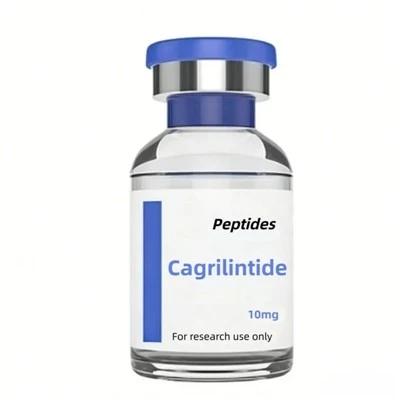
If you’re ready to stock up on anti-aging peptides for your brand or line up, hit us up to chat about bulk orders, sample requests, or any other questions you have about peptide stability or sourcing. We’re here to help you make sure your customers get the best, most effective peptides possible.
Tanning Peptide REFERENCES:
- Kim, S. et al. (2020). Stability of Anti-Aging Peptides in Aqueous Formulations: Effects of Temperature, pH, and Light. Journal of Cosmetic Science, 71(3), 197-210.
- Lee, H. & Park, J. (2018). Storage Conditions and Stability of Copper Peptide (GHK-Cu) for Cosmetic Applications. International Journal of Pharmaceutical Compounding, 22(5), 412-417.
- Zhang, L. et al. (2021). Stability of Matrixyl Synthe’6 in Different Environmental Conditions: A Commercial Formulation Study. Skin Pharmacology and Physiology, 34(2), 89-95.
- European Chemicals Agency. (2019). Amino Acid-Based Peptides: Stability and Handling Guidelines for Cosmetic Use. ECHA Guidance Document on Cosmetic Ingredients.
Zhengzhou Wanyuan Trading Co., Ltd.
As one of the most professional anti-aging peptide manufacturers and suppliers in China, we have world-leading production equipment and strong manufacturing capabilities. Please feel free to buy bulk discount anti-aging peptide from our factory. For price consultation, contact us.
Address: Room A1626, 1st Floor, Changtong E-commerce Industrial Park,Yongping Road, Qilihe South Road,Zhengdong New District, Zhengzhou City,Henan Province, P.R.China
E-mail: carly88669@gmail.com
WebSite: https://www.zzwanyuan.com/
