If you’ve ever spent a night in an inflatable tent, you know how much they stand out from their rigid, frame-and-pole counterparts. They’re lightweight, quick to set up, and perfect for everything from weekend camping trips to pop-up event spaces. But if you’re a frequent user—or a supplier, like me—you’ve probably wondered: do inflatable tents need special maintenance? After thousands of conversations with campers, event planners, and rental clients over the past 10 years in the inflatable tent industry, the short answer is yes. But it’s not the intimidating, monthly deep clean routine you might imagine. It’s about small, consistent habits that protect the material that makes these tents work—and extend their lifespan by years. Let’s break this down, from day-to-day use to long-term storage, with the kind of practical tips I share directly with my customers. Inflatable Tent

First, let’s start with the material itself. Most quality inflatable tents are made from heavy-duty PVC or polyurethane (PU) coated fabric, chosen for its flexibility and air retention. But those coatings are sensitive to two things: sharp objects and prolonged exposure to extreme temperatures. I once had a rental client bring back a tent that was ruined because they’d set it up on a field with thorny blackberry brambles and didn’t check the ground first. A small ½-inch puncture from a thorn might not seem like a big deal, but if it’s overlooked, it can expand as the tent inflates, leading to air leaks that make the tent unstable during a storm. Unlike a traditional pole tent, where a broken pole is easy to replace, patching an inflatable tent requires a specific kit—and doing it wrong can make the leak worse. That’s one of the first special maintenance rules I drill into every customer: always clear the setup area of rocks, sticks, thorns, and even broken glass before inflating. Even small pebbles can rub against the fabric when wind picks up, causing friction damage over time.
Next, inflation and deflation habits are non-negotiable for inflatable tent maintenance, and they’re different from how you’d handle a standard tent. I’ve seen clients rush through inflation, cranking the pump so fast that the air chambers stretch too far. Most quality inflatables have a recommended pressure range listed in the product manual—for example, our standard family tent hits 0.08 to 0.12 bar, which is firm enough to stand up to wind but not so tight that the fabric’s seams or valves are stressed. Over-inflating is a top cause of premature wear: if a chamber is stretched beyond its limit, it’s more likely to split at a seam during a gust of wind, or develop a seam leak that’s hard to trace. On the flip side, under-inflating makes the tent sag, which traps water after rain or snow adds weight to the fabric. Sagging also puts extra stress on the attachment points for guylines and rainflies, leading to those pulling loose over time. When deflating, another common mistake is folding the tent while it’s still fully inflated, or yanking the fabric to force air out. Always deflate slowly, open all valves fully, and roll the tent loosely from one end to the other to avoid creasing the fabric too sharply. Sharp creases in PVC/PU fabric weaken the material over time, so taking 5 extra minutes to deflate properly saves you from needing to replace the tent a year early.
Cleaning is another area where inflatable tents have small, specific needs that set them apart. After a muddy camping trip or a rainy event, the first instinct is to hose it down and scrub it hard, but that can damage the fabric’s coating and valves. Stains from dirt, pine sap, or food should be cleaned as soon as possible—waiting for them to dry makes them harder to remove and more likely to leave permanent marks that break down the coating. For regular dirt, a soft-bristled brush and mild soap (like dish soap, not harsh laundry detergent) mixed with cool water is all you need. Never use pressure washers, as the high pressure can tear the fabric or force water into the seams and valves, leading to mold growth. Speaking of mold, that’s a big risk if you store a tent before it’s fully dry. I once had a long-term client who stored his family inflatable tent in a garage right after a 3-day rain camping trip, and by the time he pulled it out, the mold had eaten through small parts of the fabric, making it impossible to patch. Mold doesn’t just stain—it breaks down the PU coating, which means air retention drops dramatically. The rule here is: always dry your tent fully before storage, even if that means setting it up in your backyard for a few extra hours once you’re home. On a related note, never use chemical cleaners, bleach, or degreasers on inflatable tents. These products eat away at the fabric’s protective coating, leaving it brittle and prone to tears.
Valve maintenance is something that surprises most new inflatable tent owners. The valves are the most critical part of the tent—they control air flow, and a faulty valve can turn a perfect day into a frustrating struggle to keep the tent inflated. Most quality inflatable tents have either screw-on valves or push-button valves, both of which need small, regular checks. Every few uses, I tell customers to unscrew the valve cap (if it’s a screw type) and gently wipe the inside of the valve with a dry cloth to remove dirt or sand. Sand in the valve is the number one cause of stuck valves and slow air leaks. If you notice a slow leak that you can’t find on the fabric, the first thing to check is the valve. A quick fix with a small amount of valve lubricant (silicone-based, never oil-based—oil will break down the valve’s rubber) can get it working again. Never force a stuck valve open or closed; if it’s not working, it’s better to contact a supplier or use a valve repair kit than to damage it beyond use.
Long-term storage is where a lot of people go wrong with inflatable tents, and it’s where maintenance pays off the most. First, never store an inflatable tent in a plastic bag. Plastic traps moisture, leading to mold and mildew, and it can also cause the fabric to stick together in those sharp creases I mentioned earlier. Instead, use a breathable cotton or mesh storage bag, and store the tent in a cool, dry place—never in an attic, basement, or garage where temperatures swing wildly. Extreme heat (like a hot attic in summer) will break down the PVC/PU coating, making the fabric brittle and prone to tearing. Extreme cold, especially if it’s below freezing, can make the fabric stiff and more likely to crack if you need to patch a leak. If you have an inflatable event tent or a large unit that’s stored for months at a time, I advise clients to inflate it slightly (about halfway) every 2 to 3 months. This keeps the fabric from developing permanent creases and checks that there are no slow leaks that would get worse over time.
Now, I know what some of you are thinking: “Is all this maintenance really worth it? Why not just go with a traditional tent that’s less fussy?” For me, the answer is in the flexibility inflatable tents offer. They’re lighter to transport, faster to set up (no 20 minutes of fumbling with poles), and less prone to breaking during transport—no poles to snap if you toss the tent in the back of your truck. But that convenience comes with small, consistent care. The good news is that the maintenance doesn’t have to take hours. It’s 2 minutes clearing the ground before setup, 5 minutes deflating properly, 10 minutes cleaning a stained tent, and a quick check of the valve after each use. Over 10 years in this industry, I’ve seen inflatable tents that last 10+ years with this kind of care, and I’ve seen ones that fall apart in 1 year because their owners skipped these small steps.
I also want to address a common myth: inflatable tents are less durable than traditional tents. That’s not true when they’re cared for properly. The biggest difference isn’t the material—it’s how you treat it. I’ve had customers send me photos of inflatable tents that have been used for annual family camping trips, wedding events, and even disaster relief deployments, and they’re still going strong because they followed basic maintenance rules. The mistakes I see most often are avoidable: not clearing the ground, storing a damp tent, over-inflating, or using harsh cleaners.
If you’re in the market for an inflatable tent for personal or commercial use, the right supplier won’t just sell you a tent—they’ll walk you through this maintenance, too. At our company, we include a full care guide with every tent, send follow-up tips after a first use, and offer repair kits and support for every client. We’ve even had clients come back years later to buy a second tent because their first one was so well-maintained and lasted longer than they expected.
At the end of the day, inflatable tents don’t require special maintenance that’s drastically different from any other outdoor gear—they just have a few unique, simple rules to follow. It’s not about complicated repairs or expensive products; it’s about being mindful of the material, the valves, and the small details that keep these tents functional for years. If you take care of your inflatable tent, it’ll take care of you, whether you’re camping in the woods, hosting an outdoor party, or running a rental business.
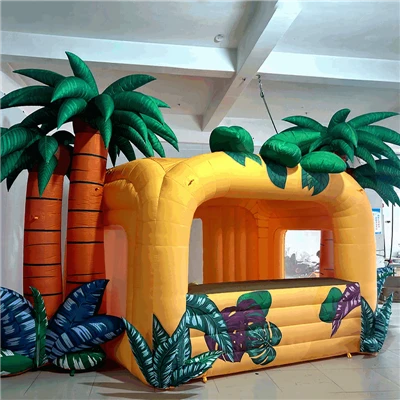
If you’re looking for a reliable inflatable tent that’s built to last with proper care, or you have questions about maintenance for a tent you already own, feel free to reach out for a no-pressure consultation to discuss your needs. We’re here to help you find the right tent and keep it in top shape for all your outdoor adventures.
Inflatable Halloween References
- Outdoor Industry Association. (2022). Maintenance Guidelines for Inflatable Recreational Equipment. Outdoor Gear Safety & Sustainability Report.
- Textile Institute. (2021. Performance Characteristics of PU-Coated Fabrics for Inflatable Outdoor Structures. Journal of Technical Textiles.
- National Park Service. (2020. Backcountry Camping Gear Care Best Practices. Backcountry Management Division Publication.
- Event Industry Council. (2023. Portable Event Structure Maintenance and Storage Standards. Event Safety & Operations Guide.
Yantai Deco Inflatable Co., Ltd.
We are one of the most experienced inflatable tent manufacturers and suppliers in China. With a professional production team, we are able to meet the needs of the majority of our customers. Please feel free to buy customized inflatable tent made in China here from our factory.
Address: No.5, Binglun Western Road, Yantai City, Shandong Province, China
E-mail: sales01@hiinflatable.com
WebSite: https://www.decoinflatable.com/
