Hey there! I’m a supplier of specialty bolts, and I often get asked about what goes into making these little but super – important fasteners. So, let’s dive right into the chemical composition of specialty bolts. Specialty Bolts

First off, we gotta understand that the chemical makeup of specialty bolts can vary big – time depending on what they’re gonna be used for. Different applications need different properties, and the chemical elements in the bolts are what give them those properties.
Let’s start with the most common base material for bolts: steel. A huge number of specialty bolts are made from some form of steel, and it’s all about the elements mixed in with the iron. Carbon is one of the major players here. You see, when you add carbon to iron, it forms steel. The amount of carbon can really change the characteristics of the steel. A low – carbon steel, which has less than 0.3% carbon, is pretty soft and easy to work with. It’s great for bolts that don’t need a whole lot of strength. On the other hand, high – carbon steel, with over 0.6% carbon, is much stronger and harder. But it’s also more brittle, so it’s used in applications where high strength is needed, like in machinery that undergoes a lot of stress.
Next up is manganese. In steel, manganese helps with de – oxidation during the manufacturing process. It also enhances the strength and hardness of the steel. It kind of acts like a helper to make the other elements work better together. Typically, manganese is present in steel at around 0.3% – 1.5%.
Silicon is another element you’ll find in many specialty bolts. It’s a de – oxidizer too, just like manganese. But it also improves the strength and toughness of the steel. Usually, the silicon content in steel bolts is around 0.1% – 0.5%.
Now, let’s talk about some of the elements that are added for more specific properties. Chromium is often added to steel to make it corrosion – resistant. This is super important for bolts that are gonna be used in outdoor or wet environments. Stainless steel bolts, which are a type of specialty bolt, usually have a chromium content of at least 10.5%. This chromium forms a thin, invisible layer on the surface of the bolt, called a passive film, which protects it from rust and corrosion.
Nickel is also commonly added to steel along with chromium in stainless steel bolts. It helps to enhance the corrosion resistance even further and also gives the steel better ductility, which means it can be bent or stretched without breaking easily. In austenitic stainless steels, which are a popular type of stainless steel for bolts, the nickel content can range from 8% – 22%.
Molybdenum is another key element. It’s added to improve the strength, toughness, and corrosion resistance of the steel, especially in acidic environments. In some high – performance specialty bolts, you might find a molybdenum content of 0.2% – 6%.
For bolts that need to have high – temperature resistance, elements like vanadium and titanium come into play. Vanadium forms carbides in the steel, which increases the strength and hardness of the bolts at high temperatures. Titanium is often added because it can react with carbon and nitrogen in the steel to form stable compounds, which helps to prevent grain growth at high temperatures, keeping the bolt’s structure intact.
In addition to steel – based specialty bolts, we also have bolts made from other materials like titanium. Titanium bolts are known for their high strength – to – weight ratio. Pure titanium is actually quite soft, but when alloyed with other elements like aluminum and vanadium, it becomes much stronger. Titanium – aluminum – vanadium alloys are very common in aerospace and high – performance automotive applications. The aluminum content in these alloys can be around 6%, and the vanadium content can be around 4%. This alloy combination gives the bolts excellent strength while keeping the weight down.
Another type of specialty bolt material is brass. Brass is an alloy of copper and zinc. The copper gives brass its good electrical conductivity and corrosion resistance, while the zinc increases its strength. The ratio of copper to zinc can vary, but common brass bolts have a copper content of around 60% – 70% and a zinc content of around 30% – 40%.
So, as you can see, there’s a whole bunch of different elements that go into making specialty bolts. And choosing the right chemical composition is crucial for making sure the bolts perform well in their intended applications.
If you’re in the market for specialty bolts, whether you need corrosion – resistant stainless steel bolts for a marine project or high – strength titanium bolts for an aerospace application, we’ve got you covered. Our team of experts can help you select the right specialty bolts based on your specific needs. We understand the importance of getting the chemical composition just right so that the bolts will work perfectly for you.
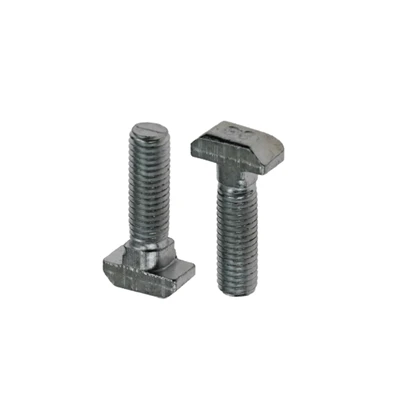
Don’t hesitate to reach out to us to start a conversation about your bolt requirements. Whether it’s a small – scale project or a large industrial one, we’re here to provide you with top – quality specialty bolts. Drop us a line and let’s discuss how we can meet your needs.
Rivets References
- Metals Handbook: Properties and Selection: Irons, Steels, and High – Performance Alloys, ASM International
- Corrosion Resistance of Metals and Alloys, L.H. Van Vlack
- Titanium Alloys: Physical, Mechanical, and Microstructural Properties, John C. Williams
Handan Dongchao Hardware Products Co., Ltd.
As one of the most professional specialty bolts manufacturers and suppliers in China, we have world-leading production equipment and strong manufacturing capabilities. Please feel free to wholesale bulk high quality specialty bolts in stock here and get pricelist from our factory. Customized orders are welcome.
Address: West of Xiaobeizhuang Village, South of Beizhangzhuang Village, Hanshan District, Handan City
E-mail: david@dcscrews.com
WebSite: https://www.dc-screws.com/
