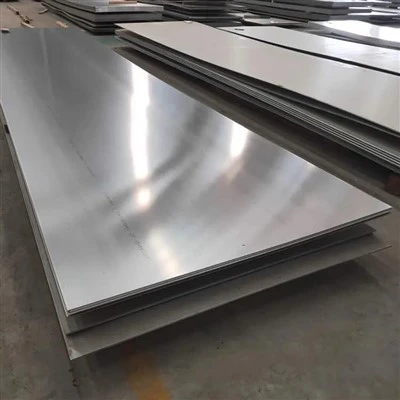
Galvanized steel sheets are among the most commonly used materials in various industries, prized for their corrosion resistance, strength, and relatively low cost. As a supplier of galvanized steel sheets, I’ve witnessed firsthand the extensive applications and benefits of these materials, from construction projects to manufacturing machinery. However, like any product, galvanized steel sheets are not without their drawbacks. In this blog, I aim to shed light on some of the disadvantages associated with galvanized steel sheets, providing a balanced perspective for potential buyers. Galvanized Steel Sheet
Initial Cost and Surface Quality Issues
One of the primary disadvantages of galvanized steel sheets is the initial cost. The process of galvanizing, which involves coating the steel with a layer of zinc to prevent corrosion, can be expensive. This cost is influenced by several factors, including the price of zinc, which fluctuates on the global market. Higher zinc prices can significantly drive up the cost of producing galvanized steel sheets, making them less affordable compared to other steel products or alternative materials.
Another cost – related aspect is the equipment and energy required for the galvanizing process. The facilities need to heat the zinc to high temperatures and maintain the right conditions for proper coating. This energy – intensive process adds to the overall production cost, which is then passed on to the customers. As a supplier, I understand that for some budget – conscious projects, the higher upfront cost of galvanized steel sheets can be a significant deterrent.
In addition to cost, the surface finish of galvanized steel sheets may not always meet the aesthetic requirements of some applications. The galvanizing process can sometimes result in a rough or uneven surface. This is particularly noticeable in hot – dipped galvanized steel, where the zinc coating can form irregularities like dross or spangles. For applications where appearance is crucial, such as in architectural designs or consumer products, these surface imperfections can be a major drawback. Customers may need to invest in additional finishing processes, such as painting or polishing, to achieve the desired aesthetic, which further increases the overall cost.
Environmental Concerns
Galvanized steel sheets also have environmental implications. The production of zinc, which is a key component in the galvanizing process, is a resource – intensive operation. Mining zinc ore requires large amounts of energy and water, and it can cause significant environmental damage, such as deforestation, soil erosion, and water pollution. Moreover, the smelting and refining of zinc involve the release of greenhouse gases, contributing to climate change.
During the lifespan of galvanized steel sheets, the zinc coating can gradually corrode and release zinc ions into the environment. These zinc ions can be toxic to aquatic organisms when they enter water bodies. As environmental regulations become stricter, the potential environmental impact of galvanized steel sheets is receiving more scrutiny. This can pose challenges for industries that use large quantities of galvanized steel, such as construction and automotive, as they may need to comply with environmental standards regarding waste disposal and emissions.
Limitations in Extreme Environments
Despite its corrosion – resistant properties, galvanized steel sheets have limitations when exposed to extreme environments. In highly acidic or alkaline conditions, the zinc coating can corrode at a much faster rate. For example, in industrial areas with high levels of air pollution that create acidic rain or in areas close to chemical plants, the zinc layer on the steel can dissolve, exposing the underlying steel to rust and corrosion.
In marine environments, while galvanized steel is often used, it still faces challenges. The high salt content in seawater can accelerate the corrosion process, even though the zinc coating provides some protection. Over time, the zinc is consumed in a sacrificial anode reaction to protect the steel, but in harsh marine conditions, the rate of zinc consumption can be quite rapid. This means that in long – term marine applications, the lifespan of galvanized steel sheets may be shorter than expected, and additional protective measures may be required.
In extremely cold environments, the mechanical properties of galvanized steel sheets can also be affected. The zinc coating can become brittle at low temperatures, which may lead to cracking or flaking of the coating. Once the coating is damaged, the steel is vulnerable to corrosion, reducing the overall durability and performance of the material.
Welding and Fabrication Challenges
Welding and fabricating galvanized steel sheets can be more challenging compared to uncoated steel. When welding galvanized steel, the zinc coating can vaporize, creating fumes that are hazardous to human health. Welders need to take proper safety precautions, such as wearing respiratory protection and working in well – ventilated areas.
The zinc coating can also affect the quality of the weld. The vaporized zinc can cause porosity in the weld, reducing its strength. Additionally, the difference in the melting points of zinc and steel can lead to uneven heat distribution during welding, resulting in poor weld fusion. This requires skilled welders and specialized welding techniques to ensure a high – quality weld.
In terms of fabrication, the zinc coating can also cause issues. For example, when bending or forming galvanized steel sheets, the coating can crack or flake off, leaving the exposed steel susceptible to corrosion. Special care and appropriate tools need to be used during fabrication to minimize damage to the zinc coating.
Maintenance Requirements
Although galvanized steel sheets are known for their corrosion resistance, they still require some maintenance over their lifespan. Regular inspections are necessary to check for signs of coating damage or corrosion. If damage is detected, it needs to be repaired promptly to prevent the underlying steel from rusting.
In certain environments, the zinc coating may need to be periodically reapplied to maintain its protective properties. This can be a time – consuming and costly process, especially for large – scale projects. As a supplier, I often advise my customers on the proper maintenance procedures for galvanized steel sheets, but it’s important to note that these additional efforts can add to the overall cost of using the material.
Conclusion
While galvanized steel sheets offer numerous advantages, it’s essential to be aware of their disadvantages. These include higher initial costs, surface quality issues, environmental concerns, limitations in extreme environments, challenges in welding and fabrication, and maintenance requirements. However, understanding these drawbacks can help potential buyers make more informed decisions based on their specific project requirements.
Stainless Steel Profile Despite the challenges, galvanized steel sheets remain a popular choice in many industries due to their overall benefits. If you’re considering using galvanized steel sheets for your project, I’m here to offer you expert advice and top – quality products. I can help you weigh the advantages and disadvantages and determine if galvanized steel sheets are the right fit for your needs. Whether you have questions about the material’s performance in a particular environment or need guidance on fabrication processes, don’t hesitate to reach out. Contact me today to discuss your procurement and start a productive conversation about how we can meet your galvanized steel sheet requirements.
References
- Dupont, J. (2018). "Life Cycle Assessment of Galvanized Steel in Construction". Journal of Sustainable Construction Materials.
- Smith, A. (2019). "Corrosion Behavior of Galvanized Steel in Different Environments". Metals Research Journal.
- Brown, R. (2020). "Welding Galvanized Steel: Challenges and Solutions". Fabrication Technology Magazine.
Wuxi Jin Ming Jian De Industry & Trade Co., Ltd.
Wuxi Jin Ming Jian De Industry & Trade Co., Ltd. is one of the most professional galvanized steel sheet manufacturers and suppliers in China, also supports customized service. With abundant experience, we warmly welcome you to wholesale CE approved galvanized steel sheet in stock here from our factory. If you have any enquiry about quotation, please feel free to email us.
Address: 2102-2105, Yuexing Building, Guangnan Road, Liangxi District, Wuxi City, Jiangsu Province, China.
E-mail: info@wxjmjdss.com
WebSite: https://www.jmjdsteelexp.com/
