As a long – standing supplier of commercial cooking equipment, I’ve witnessed firsthand the transformative impact that well – trained staff can have on a kitchen’s efficiency and success. In this blog, I’ll share some valuable insights on how to train your staff to use commercial cooking equipment effectively. Commercial Cooking Equipment
Understanding the Equipment
Before any hands – on training can begin, it’s essential for staff to have a solid understanding of the equipment they’ll be using. Start by providing comprehensive product manuals and documentation. These resources should cover everything from basic functions to advanced features, safety protocols, and maintenance requirements.
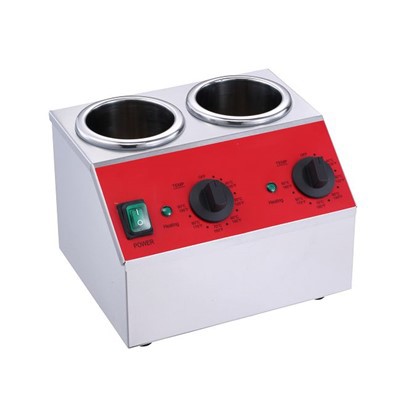
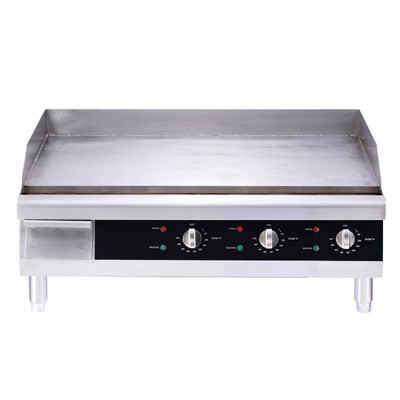
Hold an initial orientation session where you introduce the different types of commercial cooking equipment in your inventory. Explain the purpose of each piece, such as ovens, grills, fryers, and steamers. Use visual aids like diagrams and videos to make the learning process more engaging. For example, a short video demonstrating how a convection oven works can help staff grasp the concept more easily than a written description alone.
Safety First
Safety is paramount when it comes to using commercial cooking equipment. Conduct a dedicated safety training session that covers all aspects of equipment operation. Teach staff about proper handling, including how to lift heavy pots and pans, how to avoid burns and electrical hazards, and how to use personal protective equipment (PPE) such as heat – resistant gloves and aprons.
Demonstrate the correct use of safety features on the equipment, such as emergency stop buttons and temperature controls. Explain the importance of regular equipment inspections to identify any potential safety issues. For instance, a faulty gas connection in a grill can pose a serious risk, so staff should be trained to spot signs of wear and tear and report them immediately.
Hands – on Training
Once staff have a theoretical understanding of the equipment and safety procedures, it’s time for hands – on training. Start with simple tasks and gradually progress to more complex operations. For example, when training on a fryer, begin by showing staff how to fill it with oil to the correct level, how to set the temperature, and how to safely add and remove food.
Allow each staff member to practice using the equipment under your supervision. Provide immediate feedback and correction to ensure they are using the equipment correctly. Encourage questions and create a supportive learning environment where staff feel comfortable making mistakes.
It’s also a good idea to simulate real – world scenarios during hands – on training. For example, set up a mock service period where staff have to cook multiple dishes using different pieces of equipment within a specific time frame. This will help them develop the skills and confidence needed to work efficiently in a busy kitchen.
Maintenance Training
Proper maintenance is crucial for the longevity and performance of commercial cooking equipment. Train staff on basic maintenance tasks such as cleaning, lubrication, and filter replacement. Teach them how to follow the manufacturer’s recommended maintenance schedule.
Show staff how to clean different types of equipment properly. For example, an oven may require a different cleaning method than a grill. Provide cleaning products and tools that are suitable for each piece of equipment and demonstrate the correct usage.
In addition to regular cleaning, staff should be trained to identify signs of equipment malfunction. Teach them what to look for, such as strange noises, unusual odors, or inconsistent performance. Encourage them to report any issues immediately so that repairs can be carried out promptly.
Training for Different Skill Levels
Not all staff members will have the same level of experience or skill when it comes to using commercial cooking equipment. Tailor your training program to accommodate different skill levels.
For novice staff, start with the basics and provide more detailed instruction. Spend extra time on fundamental concepts and ensure they have a solid foundation before moving on to more advanced techniques.
For experienced staff, focus on advanced features and techniques that can help them improve their efficiency and productivity. For example, show them how to use the programming functions on a high – end oven to create custom cooking cycles.
Ongoing Training and Refresher Courses
Training is not a one – time event. It’s important to provide ongoing training and refresher courses to keep staff up – to – date with the latest equipment features and best practices.
Schedule regular training sessions to introduce new equipment or updated models. As technology evolves, commercial cooking equipment becomes more sophisticated, and staff need to be trained on how to use these new features effectively.
Refresher courses can also be useful for reinforcing safety procedures and maintenance practices. Periodically review safety protocols and remind staff of the importance of following them. Conduct practical demonstrations to ensure that staff are still using the equipment correctly.
Incorporating Training into the Workflow
To ensure that training is effective, it should be integrated into the daily workflow. Encourage staff to apply what they’ve learned during training in their day – to – day operations.
Set up a system where staff can easily access training materials, such as online manuals or video tutorials. This will allow them to refer back to the training content whenever they need a reminder.
Provide incentives for staff to continue learning and improving their skills. For example, you could offer rewards for staff who demonstrate proficiency in using the equipment or who come up with innovative ways to use it more efficiently.
Training Evaluation
Regularly evaluate the effectiveness of your training program. Use a combination of methods, such as practical assessments, written tests, and staff feedback.
Practical assessments can be used to evaluate staff’s ability to operate the equipment correctly. Set up a series of tasks and observe how staff perform them. Provide feedback and identify areas where further training may be needed.
Written tests can be used to assess staff’s knowledge of equipment functions, safety procedures, and maintenance requirements. These tests can help you determine if staff have retained the information from the training sessions.
Staff feedback is also valuable. Encourage staff to share their thoughts on the training program, including what they found helpful and what could be improved. Use this feedback to make adjustments to the training program as needed.
Conclusion
Training staff to use commercial cooking equipment is a critical investment for any foodservice establishment. By providing comprehensive training that covers equipment understanding, safety, hands – on operation, maintenance, and ongoing learning, you can ensure that your staff are well – equipped to handle the demands of a busy kitchen.
FAST FOOD EQUIPMENT If you’re in the market for high – quality commercial cooking equipment and need assistance with training your staff, we’re here to help. Our team of experts can provide customized training solutions to meet your specific needs. Whether you’re a small café or a large restaurant, we have the knowledge and experience to support you in getting the most out of your equipment. Reach out to us to discuss your requirements and let’s work together to take your kitchen to the next level.
References
- Commercial Cooking Equipment Manufacturer’s Manuals
- Foodservice Industry Training Guides
- Safety Standards and Regulations for Commercial Kitchens
Foshan Frespro Industries Co., Ltd.
Foshan Frespro Industries Co., Ltd. is one of the most experienced commercial cooking equipment manufacturers and suppliers in China, featured by quality products and good price. We warmly welcome you to buy advanced commercial cooking equipment for sale here and get quotation from our factory. Customized orders are welcome.
Address: No.24, 1ST DISTRICT, FUAN INDUSTRIAL ZONE, LIANDU LELIU, SHUNDE FOSHAN, GUANGDONG CHINA
E-mail: lisa@dezaoequip.cn
WebSite: https://www.fresproeq.com/
