As a supplier in the Continuous Glucose Monitoring (CGM) industry, I understand the paramount importance of ensuring the proper functioning of CGM devices. My knowledge and experience in this field have equipped me with a deep understanding of the factors that contribute to the reliable and accurate operation of these life – changing devices. In this blog, I’ll share some valuable insights on how one can guarantee their CGM works proficiently. CGM

Understanding Your CGM
Before delving into maintenance and operation details, it’s crucial to understand the basic working principle of your CGM. A typical CGM consists of a sensor inserted just under the skin, which measures the glucose level in the interstitial fluid. This sensor is connected to a transmitter, which wirelessly sends the glucose data to a monitor or a compatible smartphone app.
The proper functioning of these components depends on their individual integrity and how well they communicate with each other. Familiarizing yourself with the user manual provided with your CGM is the first step. It contains essential information about the device’s features, limitations, and basic operation guidelines.
Installation and Initial Setup
The installation of a CGM sensor is a critical step. Ensure that your hands are clean before handling the sensor. Wash them thoroughly with soap and water, and dry them completely. This helps prevent any potential contamination that could affect the accuracy of glucose readings or cause skin irritation.
When installing the sensor, follow the instructions precisely. The insertion depth and angle are carefully calibrated to ensure optimal contact with the interstitial fluid. Incorrect insertion can lead to inaccurate readings or cause the sensor to fall out prematurely.
Once the sensor is in place, pair the transmitter with the monitor or app. This process usually involves following a series of on – screen prompts. Make sure your monitor or smartphone has a stable power source and is running the latest version of the software. Out – dated software can sometimes cause connectivity issues or inaccurate data display.
Regular Calibration
Calibration is an essential part of maintaining the accuracy of your CGM. Most CGMs require periodic calibration with a traditional finger – stick blood glucose meter. The frequency of calibration varies depending on the device model. Some may require calibration once a day, while others may need it more or less frequently.
When calibrating, use a reliable blood glucose meter and follow the calibration instructions provided by the CGM manufacturer. Make sure to perform the finger – stick test at the same time as the calibration prompt on the CGM device. Incorrect calibration can lead to significant discrepancies between the CGM readings and the actual blood glucose levels.
Sensor Care and Replacement
The sensor is the most delicate part of the CGM system. It is designed to last for a specific period, usually between 7 to 14 days. During this time, it’s important to take good care of the sensor to ensure its proper functioning.
Avoid exposing the sensor to excessive moisture, such as swimming or taking a long bath without proper protection. Moisture can damage the sensor and affect its accuracy. If you do get the sensor wet, gently pat it dry with a clean, dry cloth.
Keep the area around the sensor clean and dry. This helps prevent skin infections and ensures that the sensor adheres properly to the skin. If you notice any signs of redness, itching, or swelling around the sensor site, remove the sensor immediately and consult your healthcare provider.
Once the sensor reaches the end of its lifespan, replace it with a new one. Using an expired sensor can result in inaccurate readings and potentially put your health at risk.
Transmitter and Monitor Maintenance
The transmitter and monitor are the other key components of the CGM system. Keep the transmitter clean by wiping it with a soft, dry cloth. Avoid using harsh chemicals or abrasive materials, as these can damage the device.
Check the battery level of the transmitter regularly. A low – battery can cause the transmitter to malfunction or lose connectivity with the monitor or app. Replace the battery as soon as the low – battery indicator appears.
For the monitor or smartphone app, ensure that it is updated regularly. Software updates often include bug fixes, performance improvements, and new features that can enhance the functionality of your CGM system.
Environmental Factors
Environmental factors can also affect the proper functioning of your CGM. Extreme temperatures can cause the sensor and other components to malfunction. Avoid exposing your CGM to temperatures outside the recommended range specified in the user manual.
High altitudes can also impact the accuracy of CGM readings. If you are traveling to a high – altitude area, it’s advisable to consult your healthcare provider regarding any adjustments or precautions you may need to take.
Quality Control and Testing
As a CGM supplier, we conduct rigorous quality control tests on all our products before they are shipped to customers. However, it’s still a good idea to perform some basic quality control checks on your own.
Periodically compare the CGM readings with finger – stick blood glucose meter readings. If there are significant discrepancies, calibrate the CGM again or contact the manufacturer’s customer support for further assistance.
Troubleshooting
Even with the best care, you may encounter some issues with your CGM. Common problems include inaccurate readings, connectivity issues, and sensor failures.
If you experience inaccurate readings, first check if the sensor is properly inserted and calibrated. If the problem persists, try replacing the sensor. Connectivity issues can often be resolved by restarting the transmitter and the monitor or app, and ensuring that they are within the recommended range of each other.
For more complex problems, such as sensor failures or software glitches, contact the manufacturer’s customer support. They have the expertise and resources to help you diagnose and fix the issue.
Conclusion
Ensuring the proper functioning of your CGM is essential for accurate glucose monitoring and effective diabetes management. By following the steps outlined in this blog, you can maximize the performance and reliability of your CGM device.
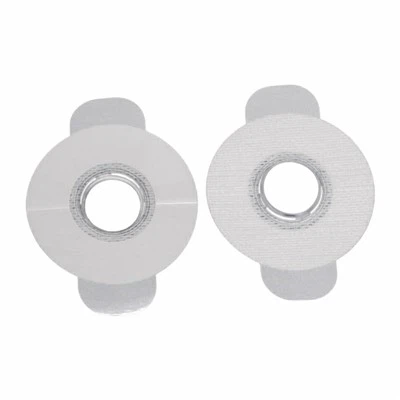
Medical Foam Adhesive Tape As a leading CGM supplier, we are committed to providing high – quality products and excellent customer support. Our CGMs are designed with the latest technology to offer accurate and reliable glucose monitoring. If you are interested in purchasing our CGM products or have any questions about our offerings, we encourage you to reach out to our sales team. We look forward to discussing how our CGM solutions can meet your needs and contribute to better diabetes management.
References
- American Diabetes Association. Standards of Medical Care in Diabetes. Diabetes Care.
- Manufacturer’s user manuals for various CGM devices.
- Clinical studies on the accuracy and reliability of Continuous Glucose Monitoring systems.
Shenzhen Omori Biological Technology Co., Ltd.
We’re well-known as one of the leading CGM manufacturers and suppliers in China. We warmly welcome you to wholesale high quality CGM made in China here from our factory. If you have any enquiry about customized service, please feel free to email us.
Address: Floor4, No43, Langkou Industrial park, Dalang Street, Longhua District, Shenzhen City, Guangdong Province, China
E-mail: wya@omorimed.com
WebSite: https://www.omorimed.com/
