Hey there! I’m a supplier of outdoor prefabricated substations, and I’m super stoked to share with you all the test items for these awesome pieces of equipment. So, let’s dive right in! Outdoor Prefabricated Substation
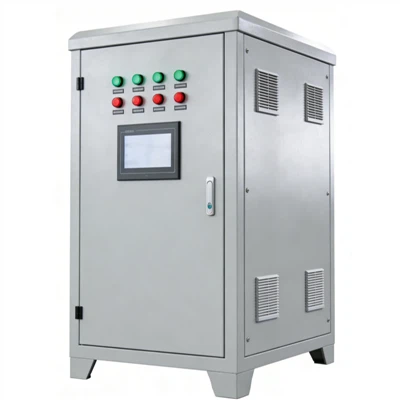
1. Visual Inspection
First off, a good old – fashioned visual inspection is crucial. When we get a new batch of outdoor prefabricated substations, we start by taking a good look at the overall appearance. We check for any signs of damage during transportation, like dents, scratches, or cracks on the enclosure. The enclosure is like the protective shell of the substation, and any damage could let in moisture, dust, or other environmental factors that could mess with the internal components.
We also make sure that all the labels and markings are clear and in place. These labels are important for safety and for easy identification of different parts of the substation. For example, the labels on the circuit breakers should clearly indicate their ratings and functions.
2. Insulation Resistance Test
The insulation resistance test is a big deal. This test measures the resistance of the insulation materials in the substation. You see, good insulation is essential to prevent electrical leakage and short – circuits. We use a megohmmeter to perform this test.
We connect the megohmmeter to the electrical conductors and the grounding system. Then we apply a specific voltage for a set period of time. The reading we get tells us how well the insulation is performing. If the insulation resistance is too low, it could mean that the insulation has been damaged, maybe due to moisture or aging. And that’s a major red flag because it can lead to all sorts of electrical problems.
3. Circuit Breaker Testing
Circuit breakers are like the guardians of the electrical system in the substation. They’re designed to automatically cut off the power when there’s an overload or a short – circuit. So, we need to test them to make sure they’re working properly.
We do something called an opening and closing time test. We use a special testing device to measure how long it takes for the circuit breaker to open and close. This is important because in a real – world situation, a slow – acting circuit breaker might not be able to protect the system effectively.
We also test the contact resistance of the circuit breaker. High contact resistance can cause excessive heat, which can damage the circuit breaker and other components in the substation. We use a micro – ohmmeter to measure the contact resistance.
4. Temperature Rise Test
The temperature rise test is all about checking how well the substation can handle heat. When the substation is in operation, the electrical components generate heat. If the heat isn’t dissipated properly, it can lead to overheating and damage to the components.
We run the substation at its rated load for a certain period of time. Then we use thermal sensors to measure the temperature of different components, like transformers, circuit breakers, and busbars. We compare the measured temperatures with the specified limits. If the temperature rise is too high, we need to figure out what’s causing it. It could be a problem with the ventilation system or a faulty component.
5. Protection Relay Testing
Protection relays are another key part of the substation. They’re responsible for detecting faults in the electrical system and sending signals to the circuit breakers to trip. So, we need to make sure they’re working correctly.
We perform a series of tests on the protection relays. We simulate different fault conditions, like over – current, over – voltage, and under – voltage. We check if the relays can detect these faults accurately and send the right signals to the circuit breakers.
We also test the time – delay settings of the protection relays. This is important because different faults require different response times. For example, a short – circuit might require an immediate response, while an over – load might allow for a slightly longer response time.
6. Lightning Protection Testing
Outdoor prefabricated substations are exposed to the elements, and lightning is a major threat. That’s why we test the lightning protection system.
We check the grounding system of the substation. A good grounding system is essential for safely diverting lightning strikes to the ground. We measure the grounding resistance to make sure it’s within the acceptable range.
We also inspect the lightning arresters. These devices are designed to protect the substation from lightning surges. We check if they’re in good condition and if they can effectively limit the voltage during a lightning strike.
7. Gas Leakage Test (for Gas – Insulated Substations)
If we’re dealing with gas – insulated substations, we need to perform a gas leakage test. These substations use gases like SF6 for insulation. Any gas leakage can not only reduce the insulation performance but also be harmful to the environment.
We use special gas detectors to check for leaks. We inspect all the joints, valves, and connections in the gas – filled compartments. If we detect a leak, we need to repair it immediately to prevent further gas loss.
8. Functionality and Interlock Testing
We also test the overall functionality of the substation and the interlock systems. The interlock systems are designed to prevent unsafe operations. For example, they might prevent a circuit breaker from being closed when it’s not supposed to be.
We go through a series of operations, like opening and closing different switches and circuit breakers, to make sure everything works as it should. We also check the communication between different components of the substation to ensure seamless operation.
Why These Tests Matter
All these tests are super important because they ensure the safety, reliability, and performance of the outdoor prefabricated substations. A substation that passes all these tests is less likely to experience electrical failures, which can lead to power outages and damage to equipment.

If you’re in the market for an outdoor prefabricated substation, you want to make sure that the supplier you choose conducts these tests thoroughly. At our place, we take these tests very seriously. We use state – of – the – art testing equipment and follow strict testing procedures to ensure that every substation we supply meets the highest standards.
Low Voltage Distribution Board If you’re interested in purchasing an outdoor prefabricated substation, or if you have any questions about our products or the testing process, don’t hesitate to reach out. We’re here to help you find the right solution for your electrical needs.
References
- Electrical Power Substation Engineering by George J. Wadhwa
- Handbook of Electrical Engineering by Frank D. Petruzella
- Standards for Electrical Substations by IEEE
Huachi Electric Co., Ltd.
We’re well-known as one of the leading outdoor prefabricated substation manufacturers in China, featured by quality products and good service. Please rest assured to buy customized outdoor prefabricated substation made in China here from our factory. Contact us for more details.
Address: Plastic Park, Tongyu Street, Luqiao District, Taizhou City, Zhejiang Province
E-mail: HCDQ2026@163.com
WebSite: https://www.huachi-electric.com/
